
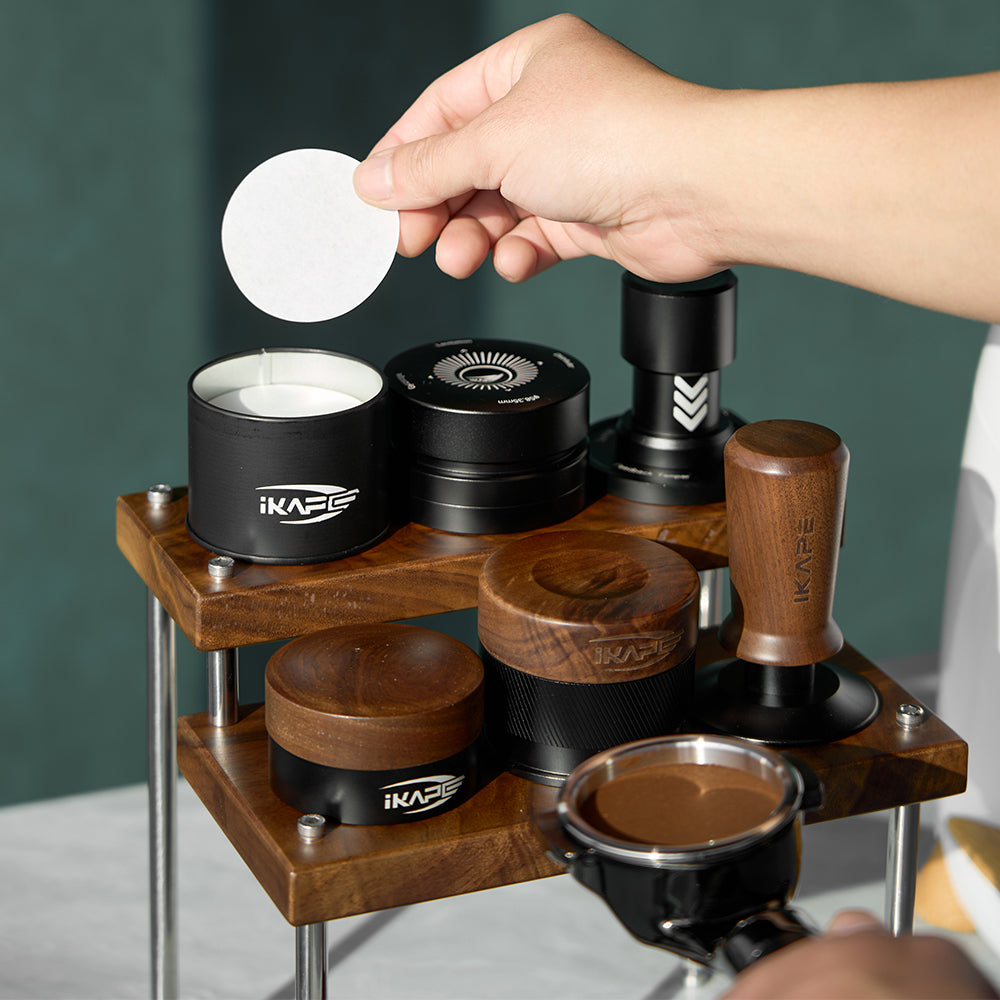
Collection: Puck Screen and Basket Filter

Espresso puck screens, precision baskets, and paper filters all influence how water moves through the coffee bed, but they serve different roles in the brewing process.
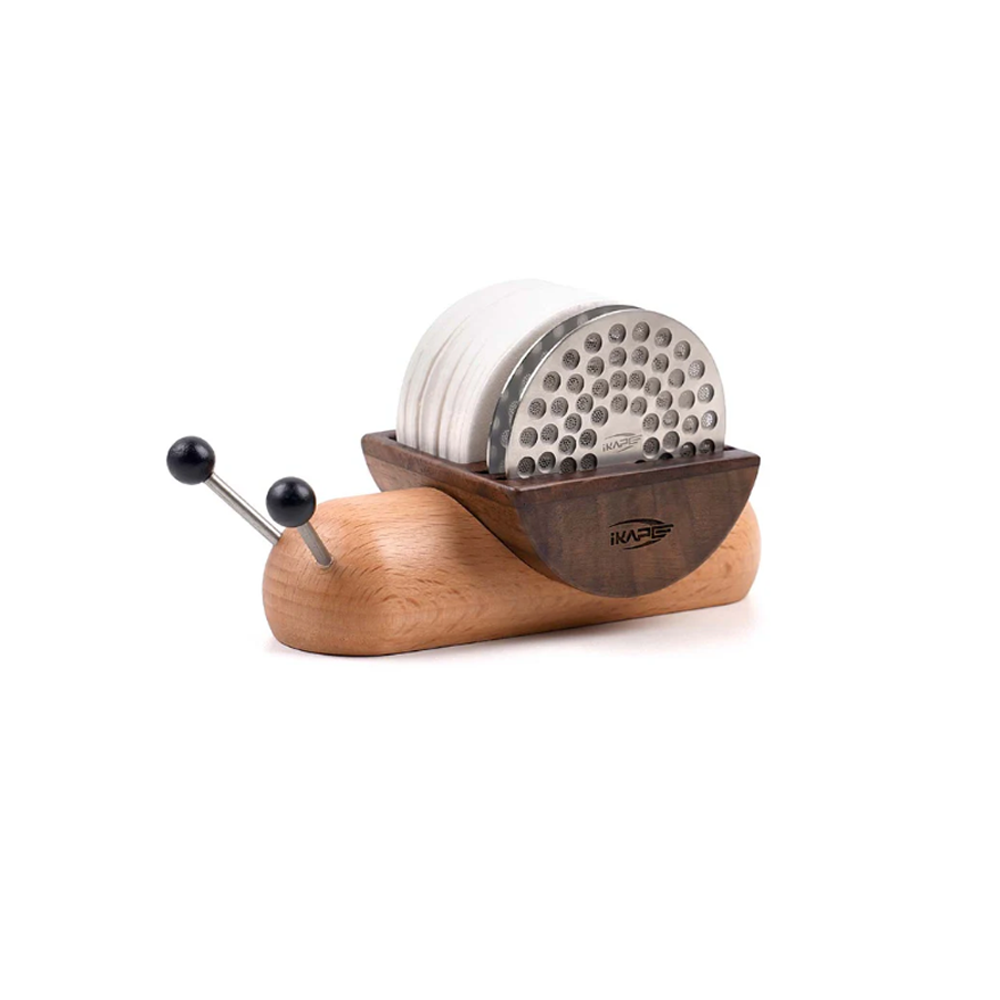
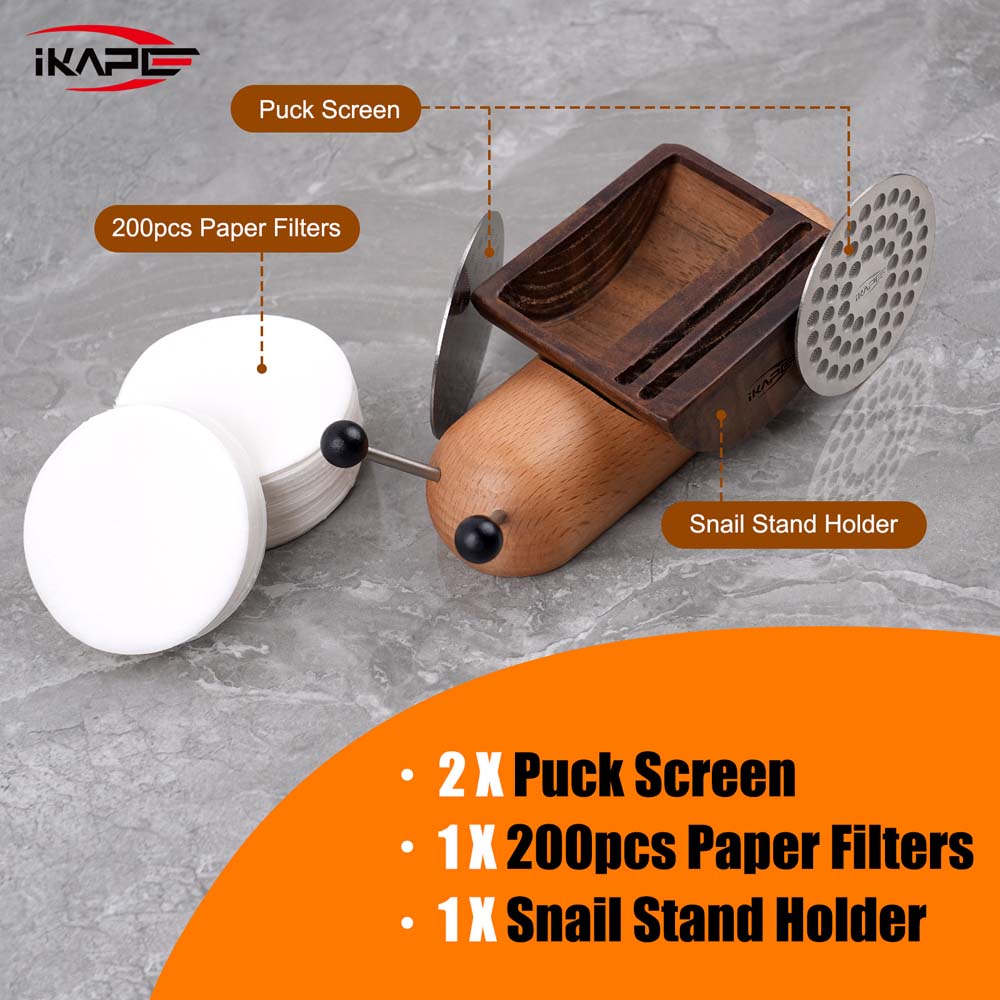
IKAPE offers reusable stainless-steel puck screens, disposable espresso paper filters, and precision filter baskets for different espresso setups. Puck screens sit above the coffee bed, paper filters can be placed above or below the puck depending on the workflow, and precision baskets control how water exits through the bottom of the basket.
Choose the right option based on your basket size, desired workflow, puck clearance, and espresso machine compatibility.

Sort by
Filter and sort
Filter and sort

14 products

14 products

 What Is an Espresso Puck Screen, Basket, Paper Filter?

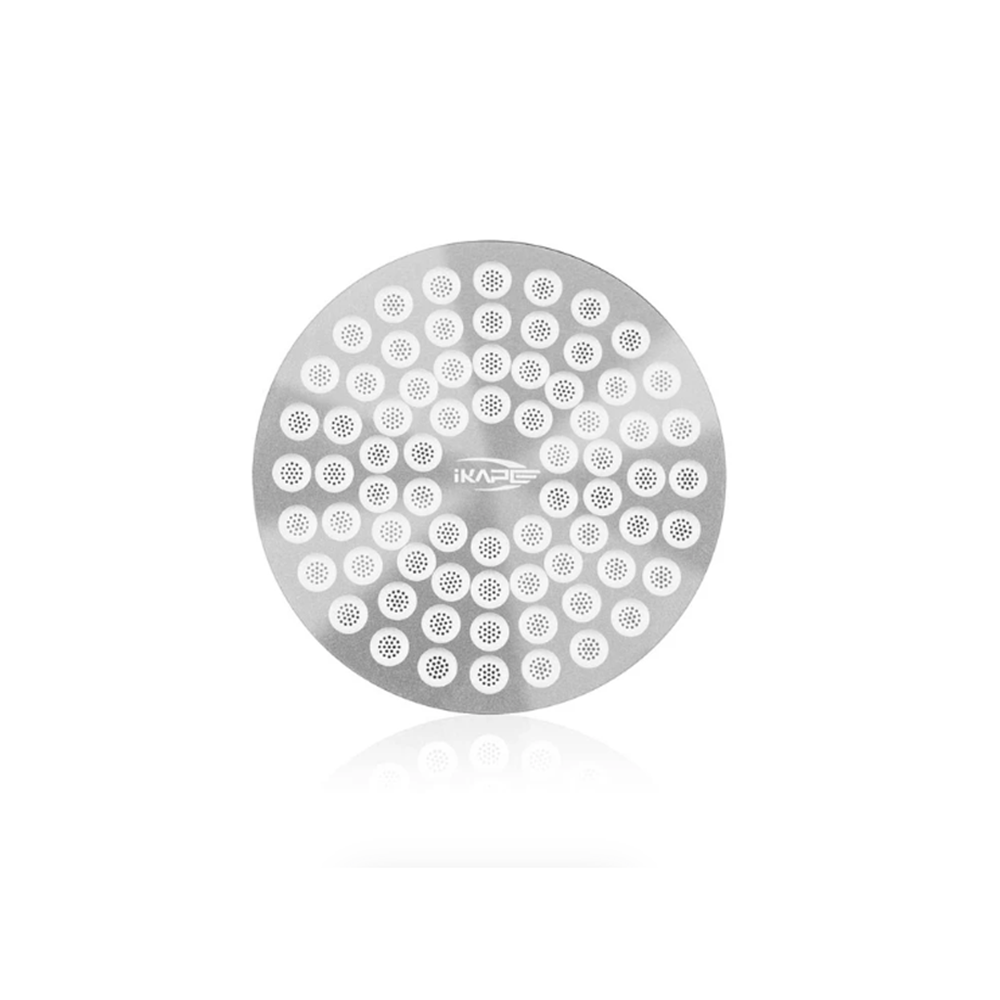
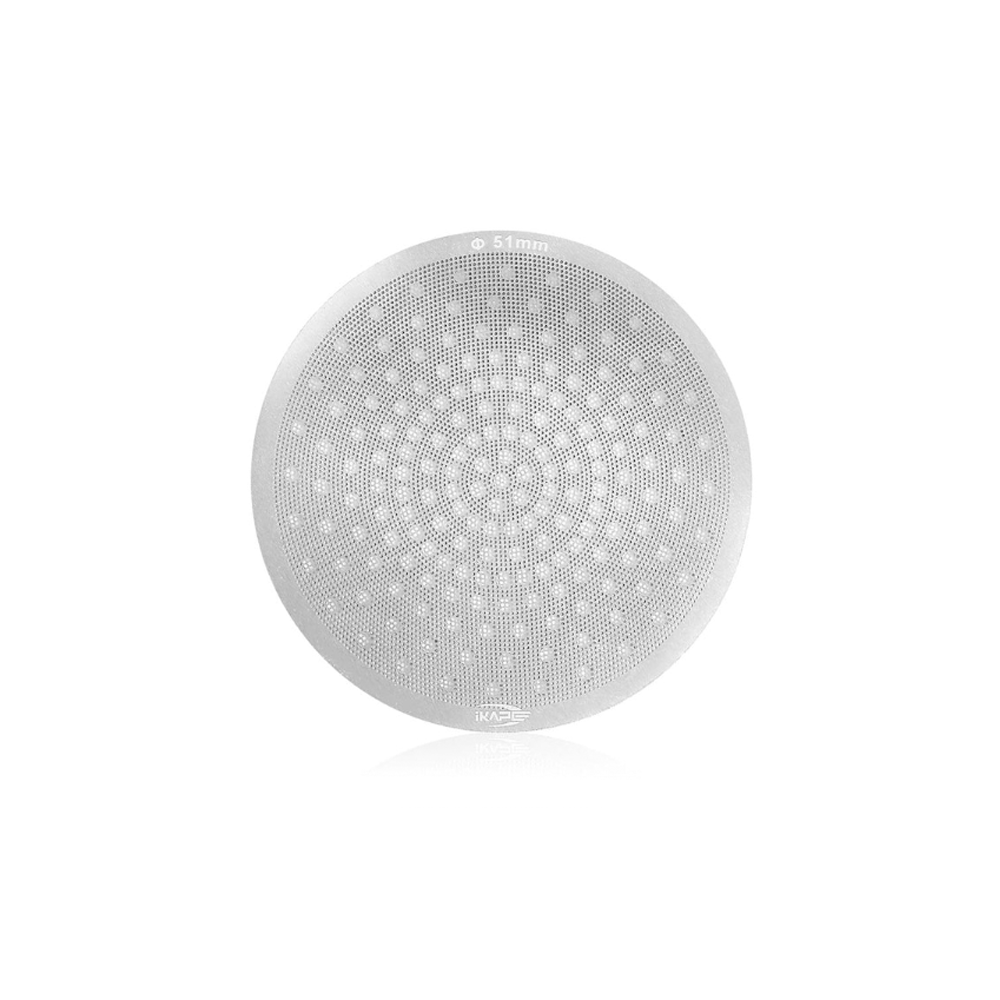
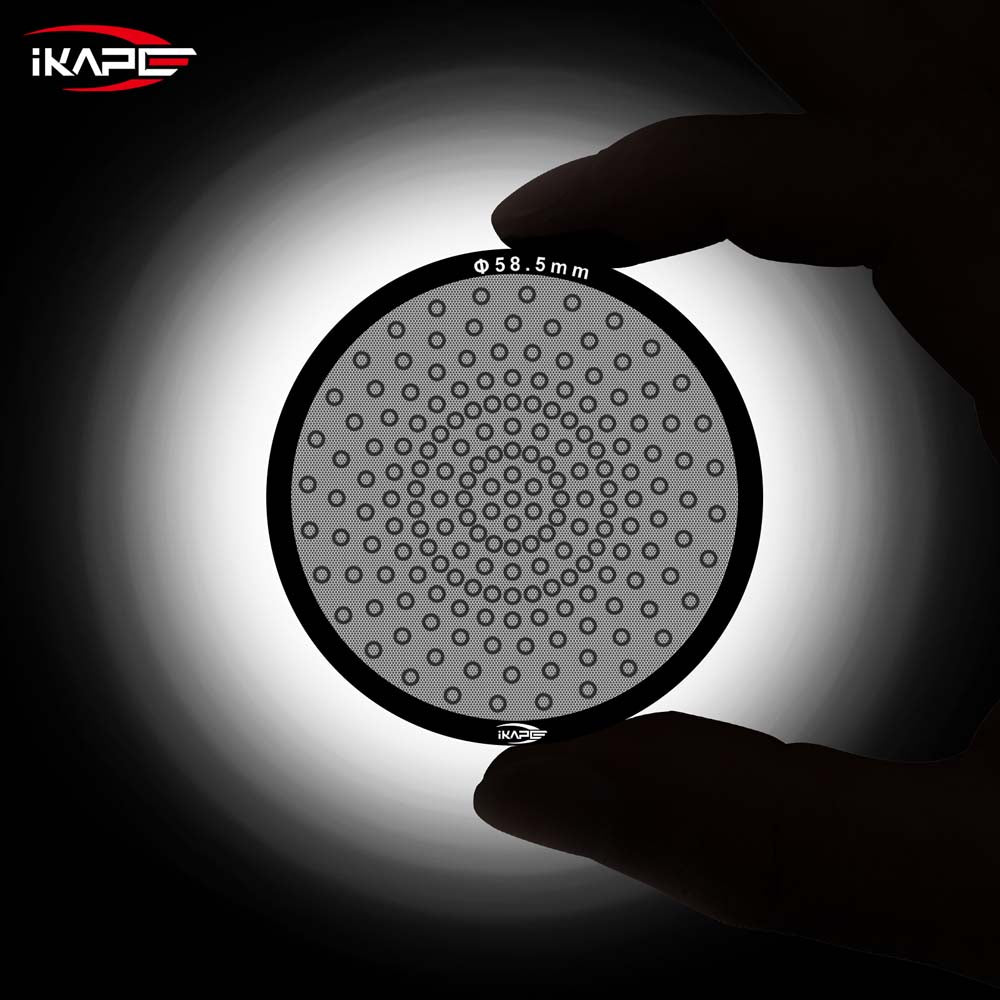
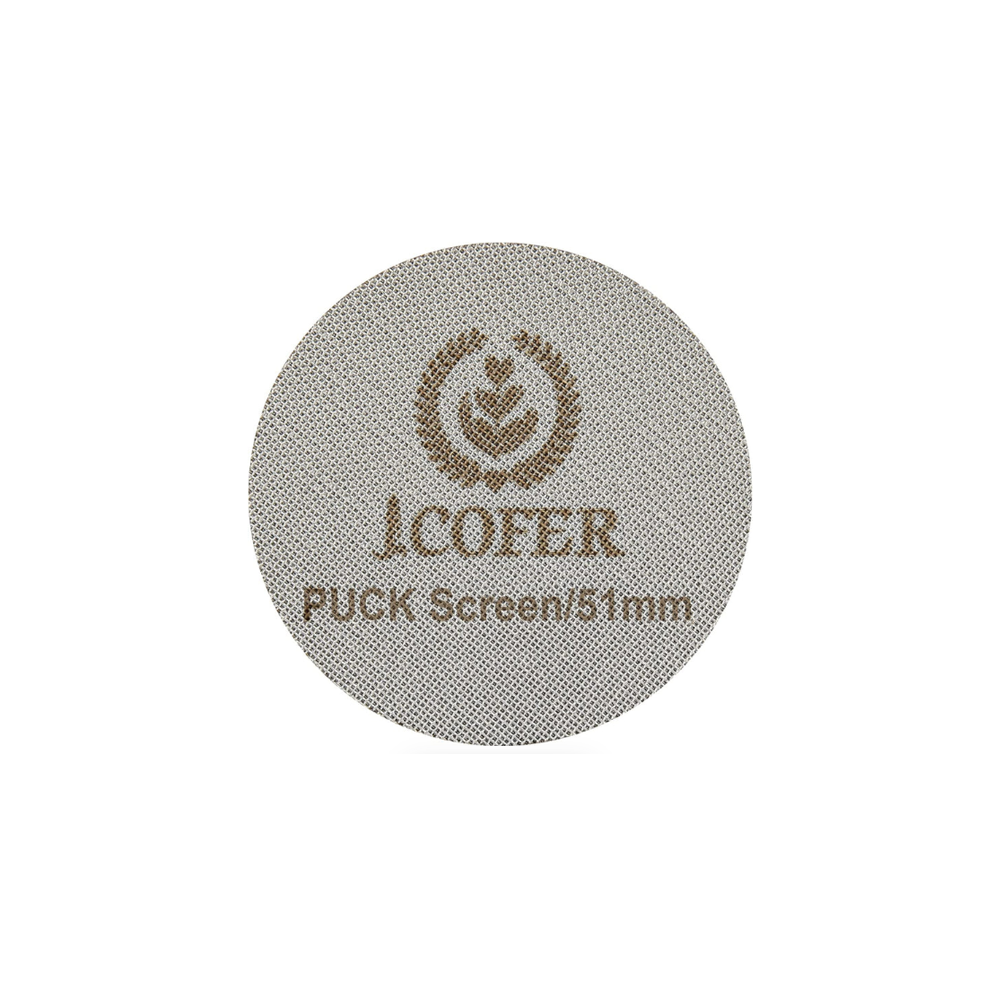
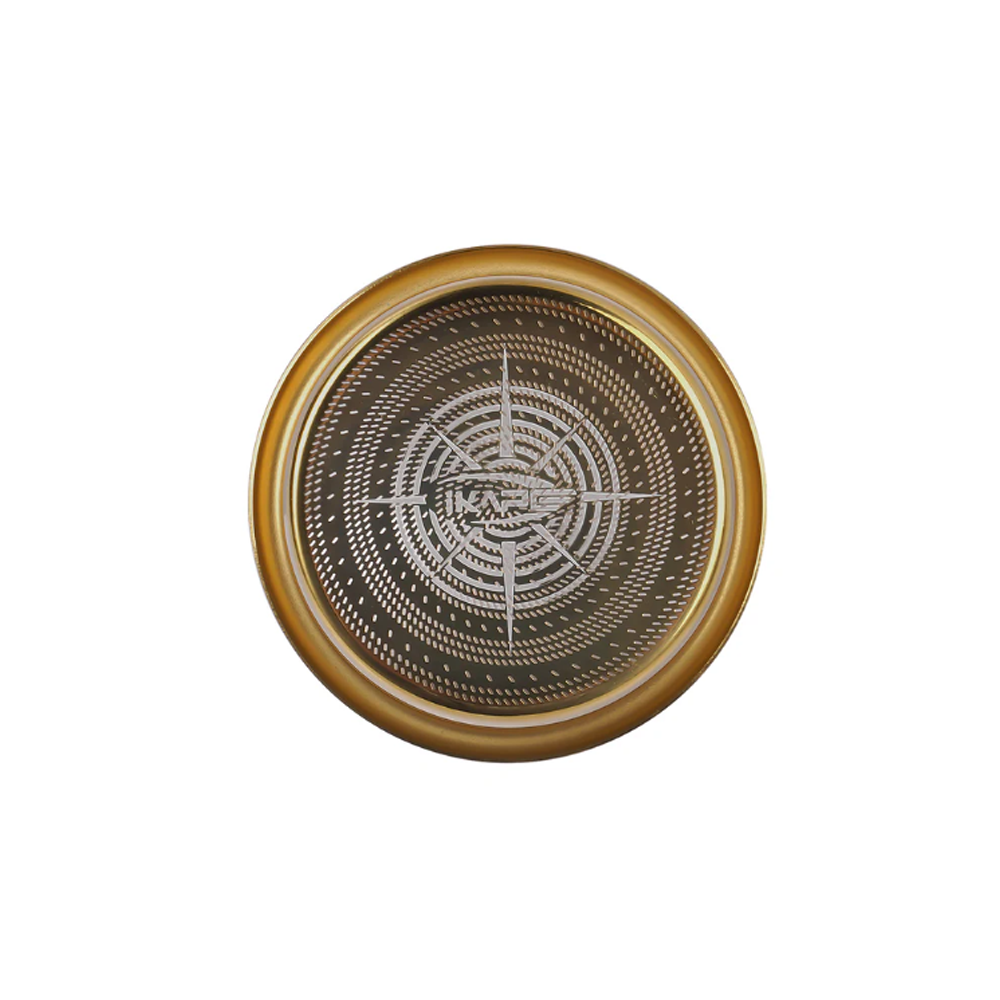
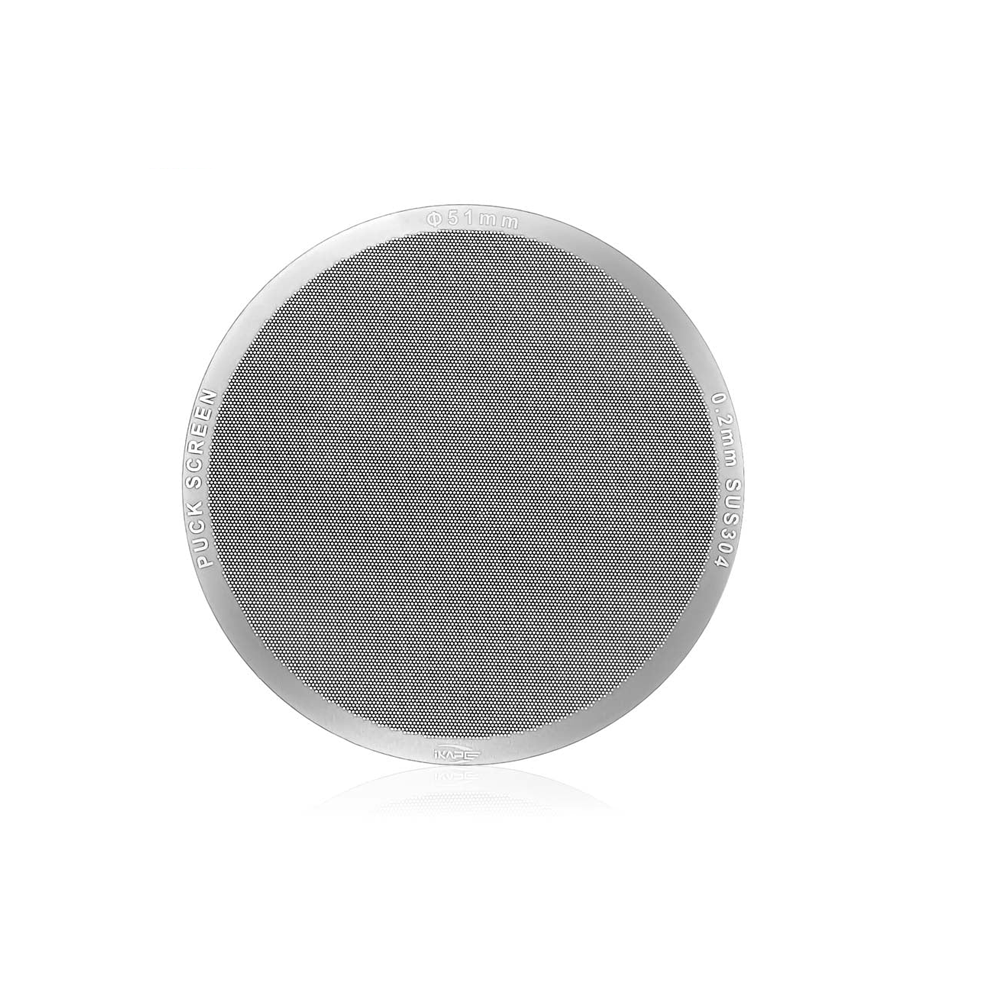
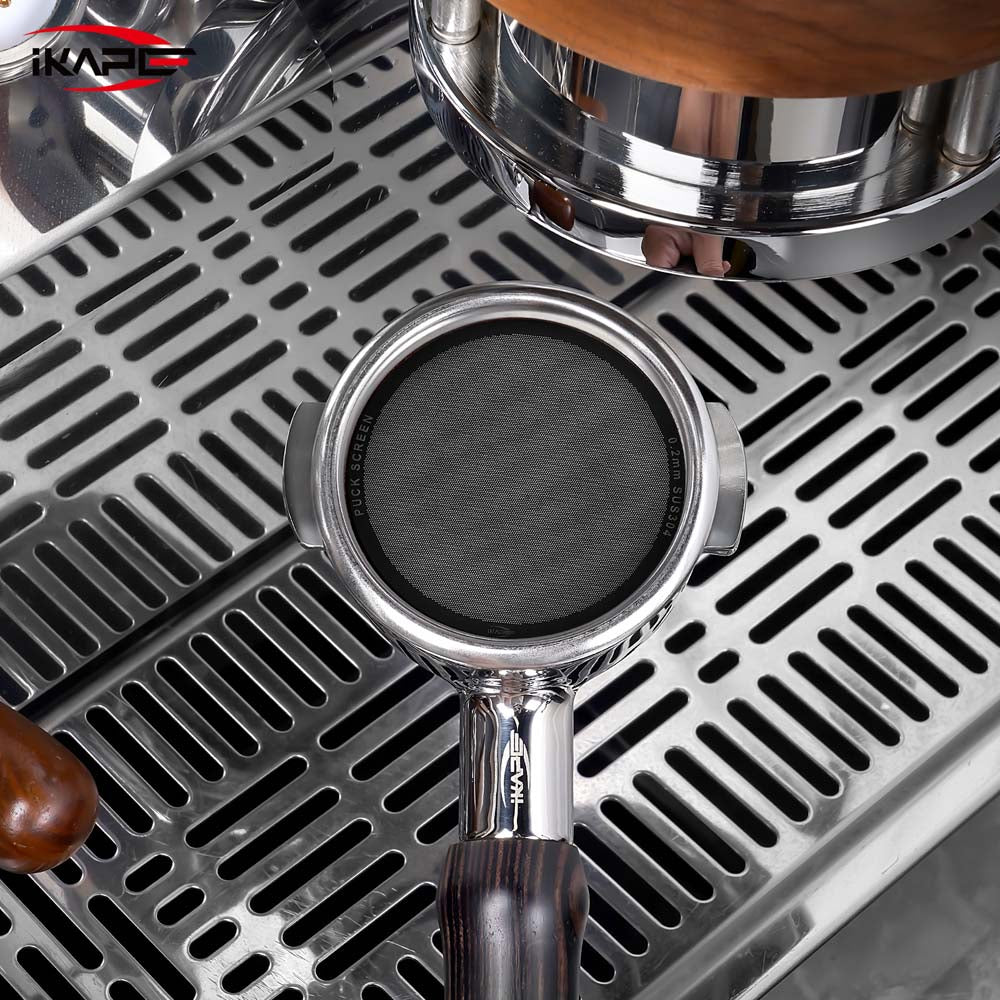
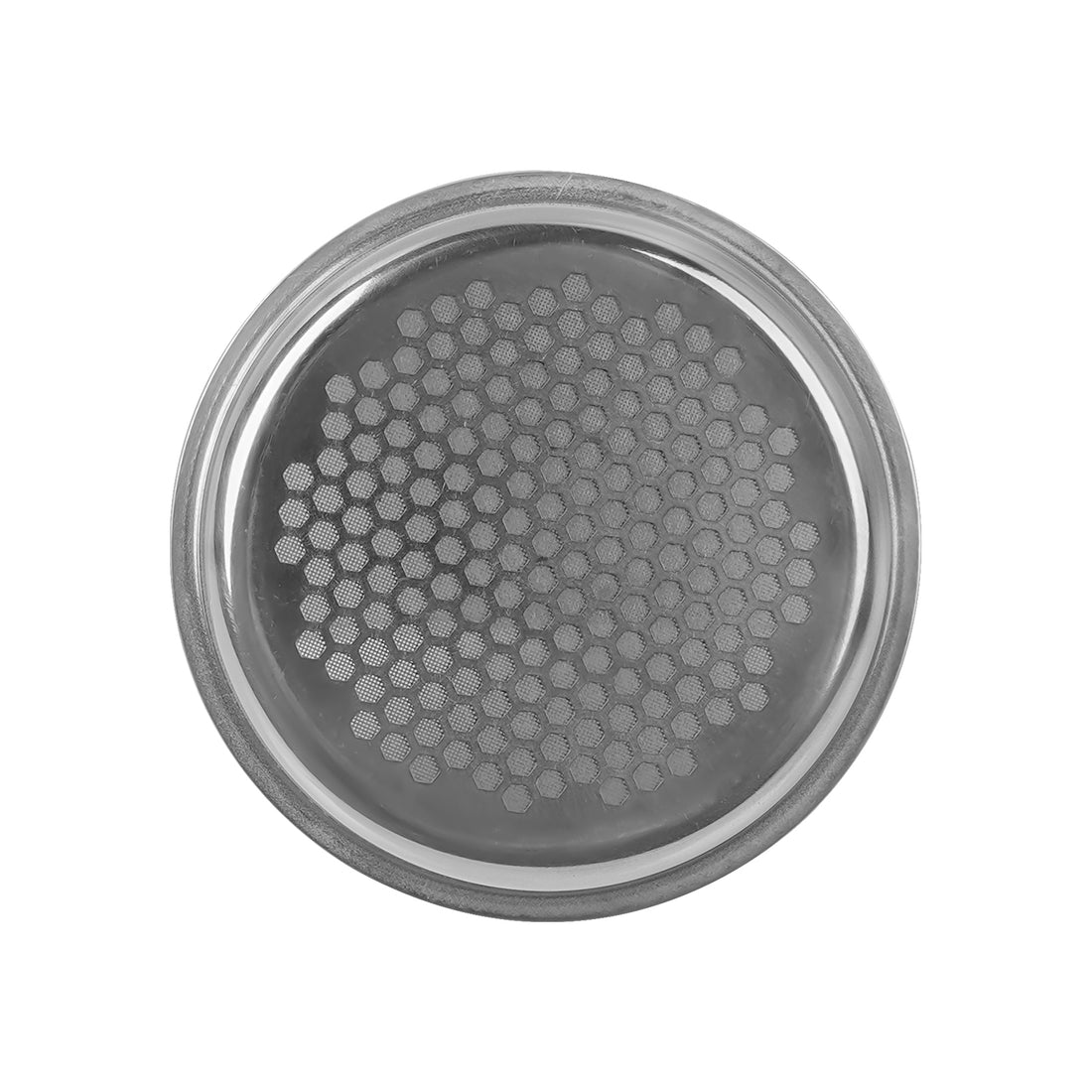
An espresso puck screen is a thin metal disc placed on top of the prepared coffee puck before extraction. Its main functions are to:
- Help distribute incoming water across the puck surface
- Reduce direct contact between coffee grounds and the shower screen and keep the group head cleaner

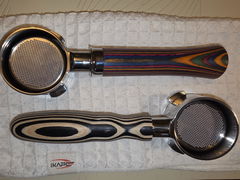
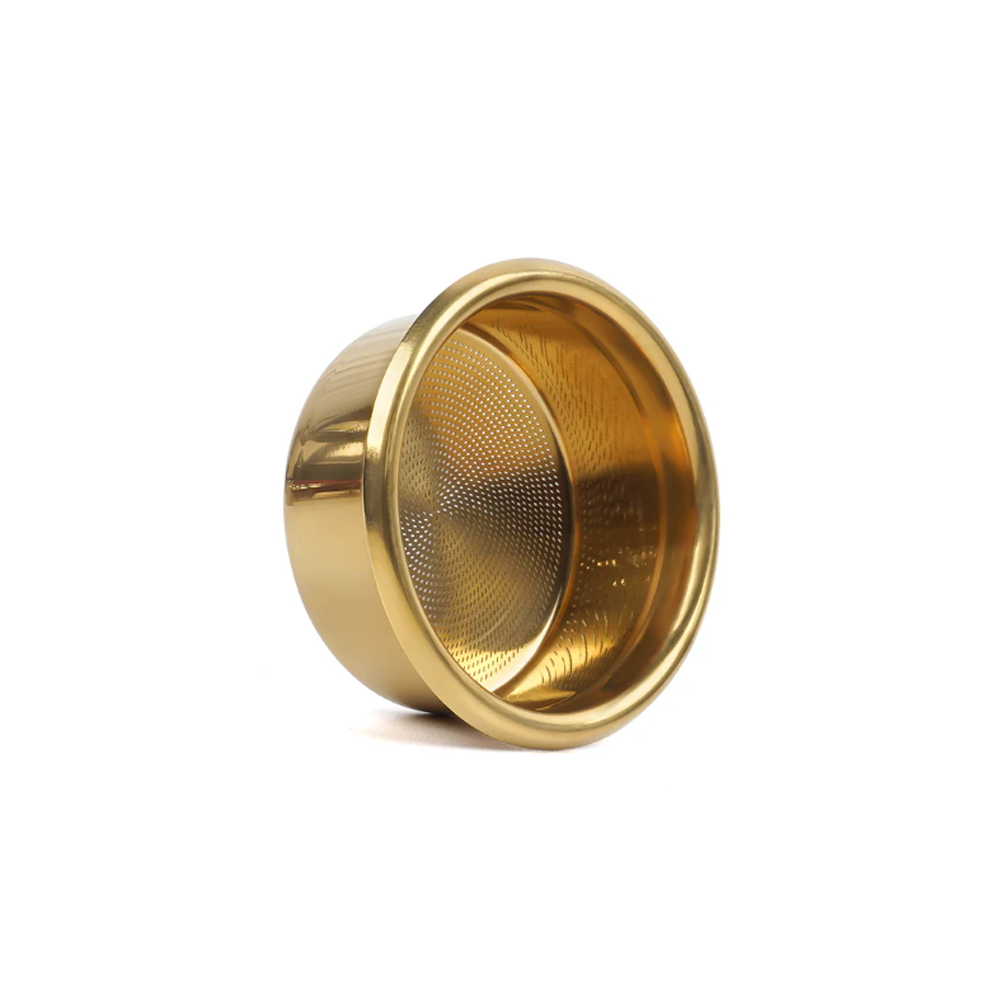
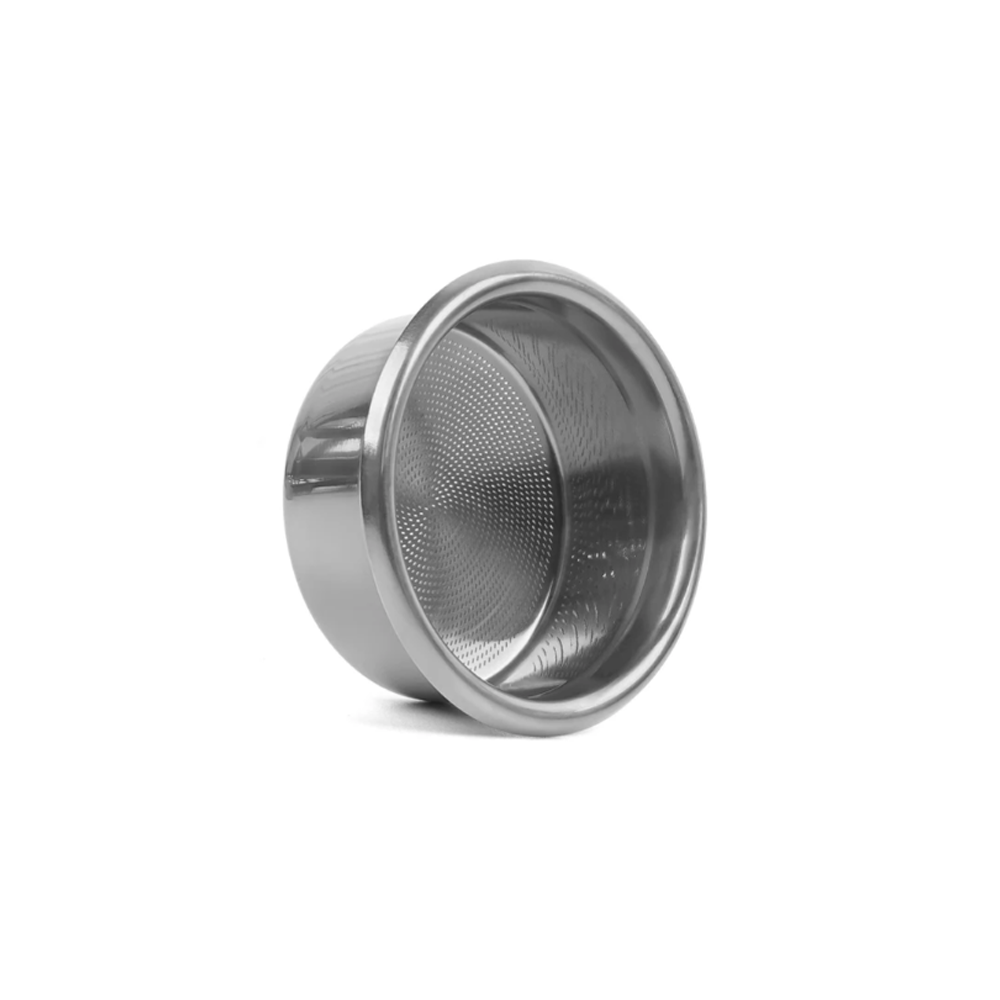
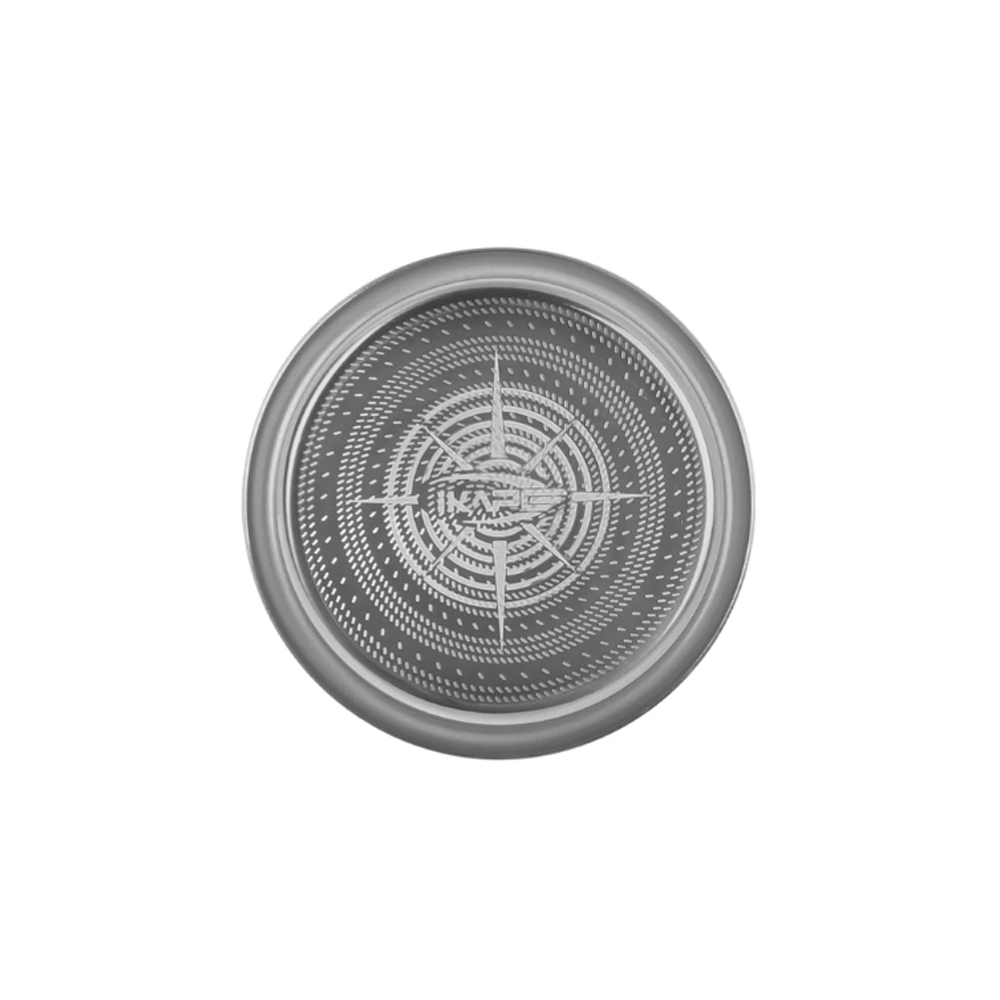
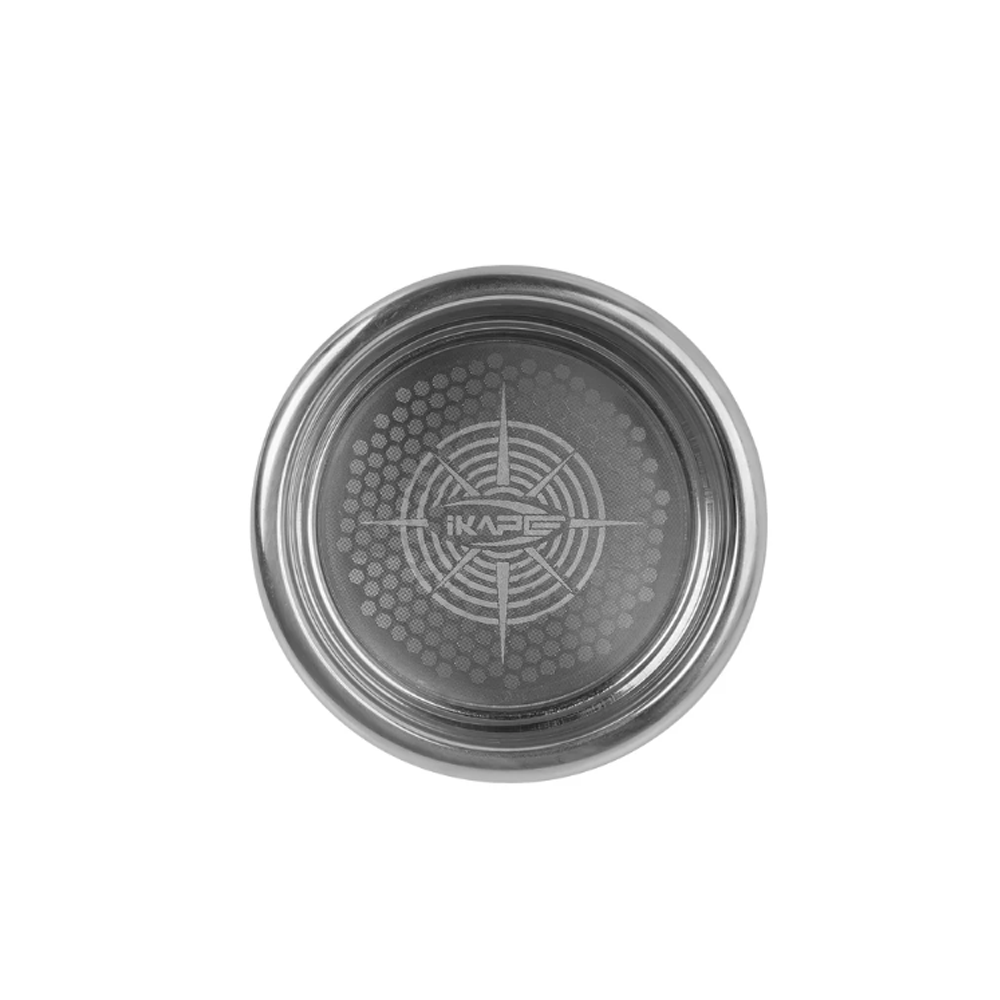
A precision espresso basket is a portafilter basket designed with a controlled hole pattern, geometry, and internal shape to manage water flow through the coffee puck.
These design differences can affect flow resistance, grind requirements, dose range, and extraction behavior.

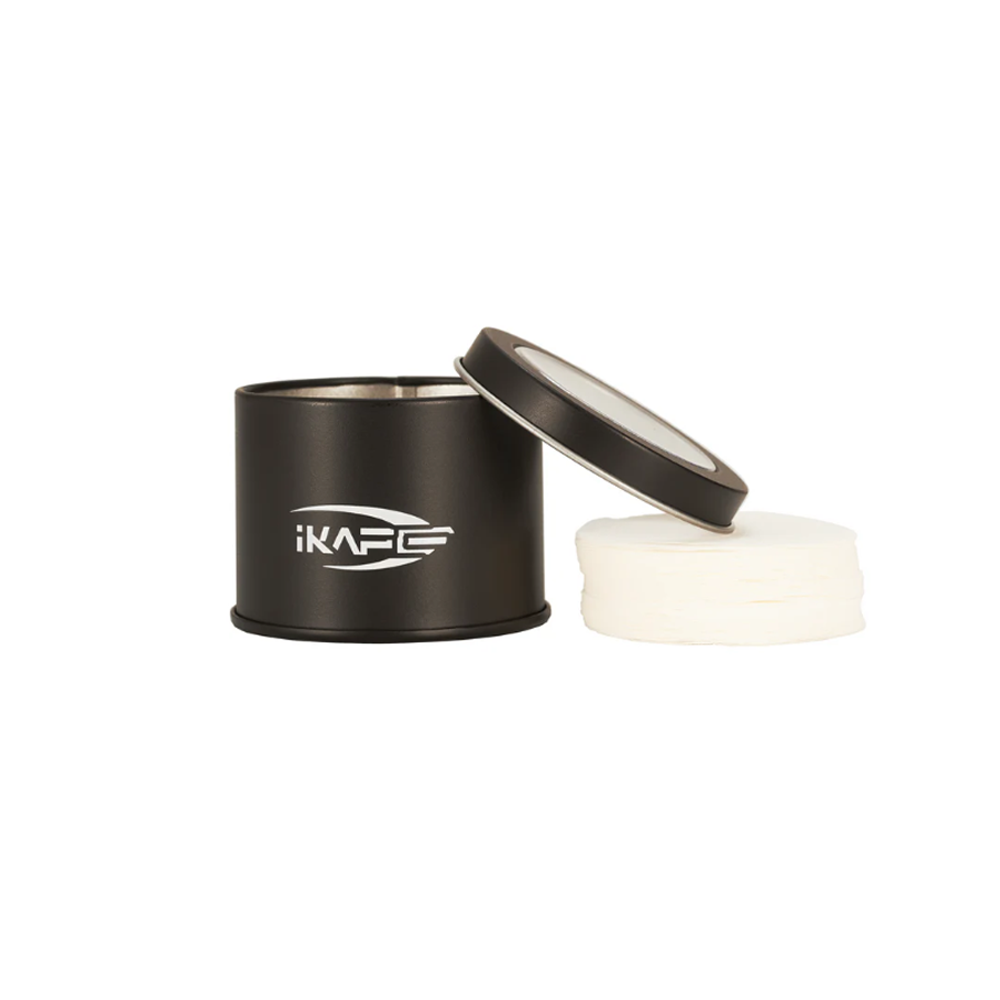
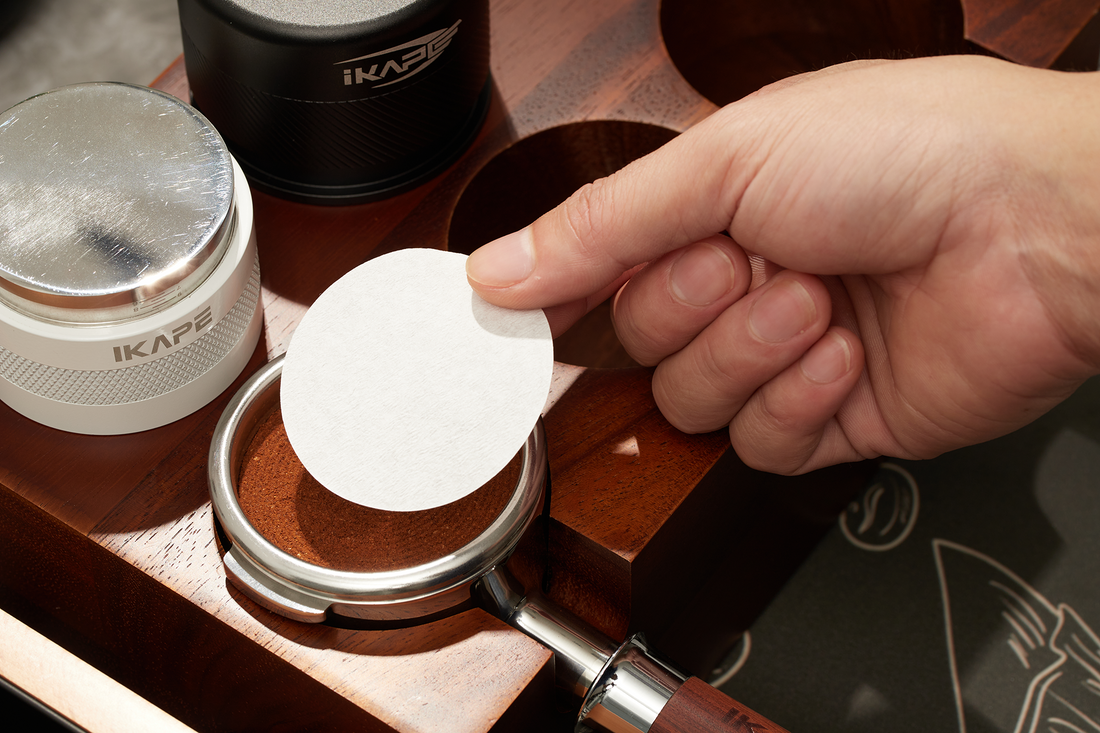
An espresso paper filter is a thin disposable paper disc placed either below or above the coffee puck.
When placed below the coffee, it can help keep fine particles away from the basket holes and may influence flow through high-density or fine-hole baskets.
When placed above the puck, it creates a disposable barrier between the coffee bed and the shower screen.

Frequently Asked Questions About Puck Screens, Precision Baskets & Paper Filters 

1. What does a puck screen do? 

A puck screen mainly affects the top of the coffee puck.

During extraction, water enters from the group head and passes through the puck screen before reaching the coffee bed.

A puck screen may help create a more controlled water entry across the puck surface and reduce direct erosion of the top layer of coffee.

It also acts as a physical barrier between the coffee grounds and the shower screen, which can make group-head cleanup easier after brewing.

However, a puck screen does not replace proper puck preparation.

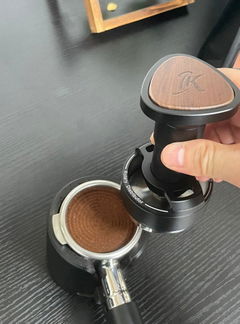
Grind size, dose, WDT, distribution, tamping, and basket geometry still play important roles in extraction.

2. Do I need a puck screen for espresso? 

No. A puck screen is optional.

Espresso can be brewed without one.

A puck screen may be useful if you want:

  • A cleaner shower screen
  • A reusable layer above the coffee puck
  • More controlled water contact at the puck surface
  • A more structured puck-preparation workflow

Whether it improves your results depends on the espresso machine, basket, dose, grind, and preparation technique.

It should be treated as a workflow tool rather than a requirement for making espresso.

3. What is the difference between a puck screen and an espresso paper filter? 

A puck screen and paper filter serve different purposes.

Puck Screen

A puck screen is usually:

  • Made from stainless steel
  • Reusable
  • Placed above the coffee puck
  • Used as a water-distribution and protective layer

Espresso Paper Filter

A paper filter is:

  • Disposable
  • Very thin
  • Used either above or below the coffee puck
  • Designed to create a paper barrier between coffee and another part of the brewing system

A bottom paper filter can help keep fine coffee particles away from the basket holes, while a top paper filter can separate the puck from the shower screen.

The two accessories are not exact substitutes.

4. Can I use a paper filter and puck screen together? 

Yes.

Some espresso workflows use both.

A common setup is:

Basket → Bottom Paper Filter → Coffee → Tamp → Puck Screen → Brew

In this setup:

  • The bottom paper filter sits between the coffee and basket holes
  • The puck screen sits above the coffee bed

This creates two separate layers serving different roles.

However, adding both can affect available headspace, so users should make sure the basket is not overfilled.

The correct dose may need to be adjusted depending on basket depth and puck-screen thickness.

5. What size puck screen do I need? 

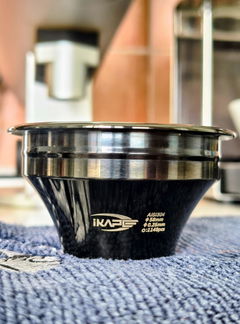
The puck screen should match the internal diameter of the espresso basket rather than relying only on the nominal portafilter size.

Common options include:

  • 51mm
  • 53.3mm / 53.5mm for selected nominal 54mm systems
  • 58mm / 58.35mm / 58.5mm for selected 58mm systems

Two machines may both be described as “54mm” or “58mm” but still use baskets with slightly different internal dimensions.

For the best fit, check:

  • Basket internal diameter
  • Basket shape
  • Product specifications

before choosing a puck screen.

6. Is a precision basket better than a standard basket? 

Not necessarily.

A precision basket may provide more controlled or specialized flow characteristics, but it can also be more sensitive to grind size, dose, and puck preparation.

A standard basket may be easier to use for:

  • General espresso brewing
  • Beginners
  • Wider grind tolerance

A precision basket may be more suitable for:

  • Users who regularly dial in espresso
  • Users who want to experiment with flow behavior
  • High-density or high-extraction basket designs
  • More controlled recipes

The best basket depends on your machine, grinder, coffee, and workflow.

7. Does a precision espresso basket require a finer grind? 

Sometimes, but not always.

Different basket designs can change flow resistance.

A basket with:

  • More holes
  • Larger effective open area
  • Different hole geometry
  • Different wall shape

may allow water to move through the coffee bed differently from a standard basket.

This can require grind-size adjustment.

In some cases, users may need to grind finer. In other cases, a different dose or yield adjustment may be more appropriate.

Whenever you change baskets, it is normal to dial in the espresso again.

8.  How often should I clean a puck screen? 

A puck screen should be rinsed after use and cleaned regularly to prevent coffee oils and fine particles from building up inside the mesh or perforations.

For routine cleaning:

  1. Rinse the screen after each brewing session.
  2. Remove visible coffee residue.
  3. Allow it to dry before storage.

For deeper cleaning, follow the care instructions for the specific puck screen material and construction.

If coffee oils begin to clog the screen, water flow may become less consistent.

9. Do precision baskets work with bottomless portafilters? 

Yes, if the basket is physically compatible with the bottomless portafilter.

A bottomless portafilter does not require a special basket category, but the basket must fit correctly inside the portafilter body.

Users should confirm:

  • Basket diameter
  • Basket depth
  • Rim fit
  • Retaining spring compatibility

A precision basket combined with a bottomless portafilter can also make extraction behavior easier to observe, but visible flow should still be interpreted together with grind, dose, and puck preparation.

10. Should an espresso paper filter go above or below the puck? 

It can be used in either position depending on the workflow.

Bottom Paper Filter

Placed:

Basket → Paper Filter → Coffee

This creates a paper layer between the coffee and basket holes.

It can be useful with some fine-hole or high-density precision baskets.

Top Paper Filter

Placed:

Coffee → Paper Filter

This creates a disposable barrier between the puck and shower screen.

Some users prefer this for easier cleanup.

The correct size can differ depending on whether the paper is being placed at the bottom or top of a tapered basket.

What is the difference between a Variable Diameter Espresso Portafilter Basket and a standard basket? How to choose the right one?

Straight-Sided Baskets :

Features: Vertical walls, capacity (16g–22g).

Pros: Seamless tamping, maximum extraction uniformity, high flavor clarity.

Best for: Light-to-medium roasts, double shots, and flavor enthusiasts.

Variable Diameter Baskets :

Features: Sloped walls narrowing at the bottom, capacity (16g–24g).

Pros: Forgiving workflow (less channeling), richer and heavier body.

Best for: Medium-to-dark roasts, single shots, and traditional, intense espresso.

Basket Stuck Solid in the Portafilter

Causes: The retaining spring inside the portafilter is overly tight, or accumulated coffee oils have dried and effectively glued the basket to the metal.

Solutions: Don't risk your fingernails. Use a dedicated basket remover tool, a flathead screwdriver, or simply use the lip of another basket/blind basket inserted into the gap as a lever to pop it right out.

Clogged or Blackened Mesh Holes

Causes: Fine coffee particulates and oils have baked and hardened inside the micro-holes under high temperature and pressure.

Solutions: Remove the basket and soak it in hot water mixed with a professional coffee cleaner (like Cafiza) for 15–20 minutes. Once the oils dissolve, brush it lightly, and it will look brand new.

Should I put paper filters at the bottom of the basket or a puck screen on top?

They address completely different extraction variables. A puck screen sits on top of the coffee grounds to diffuse water and keep the machine clean. A paper filter lines the bottom of the basket to filter out bitter coffee lipids (cafestol) and prevent fine particles from clogging the basket holes, which increases flow rate for sweet, high-extraction modern espresso shots. You can absolutely use both simultaneously for the ultimate espresso puck prep!

What is the best way to clean a reusable stainless steel puck screen?

For daily use, immediately rinse the puck screen under hot running water right after knocking out your coffee puck. For weekly maintenance, soak it in a solution of hot water mixed with an espresso machine backflush cleaner (such as Cafiza) for 10-15 minutes to completely dissolve and flush away the sticky coffee oils trapped deep inside the multi-layered mesh.