Collection: Coffee Scales for Espresso & Pour-Over

A coffee scale helps baristas measure dose, beverage weight, water, and brew time more consistently. For espresso, compact size and fast response are especially important because the scale must fit under the cup and react quickly during extraction. For pour-over, a larger platform, clear timer, and easy-to-read display can make manual brewing more convenient.
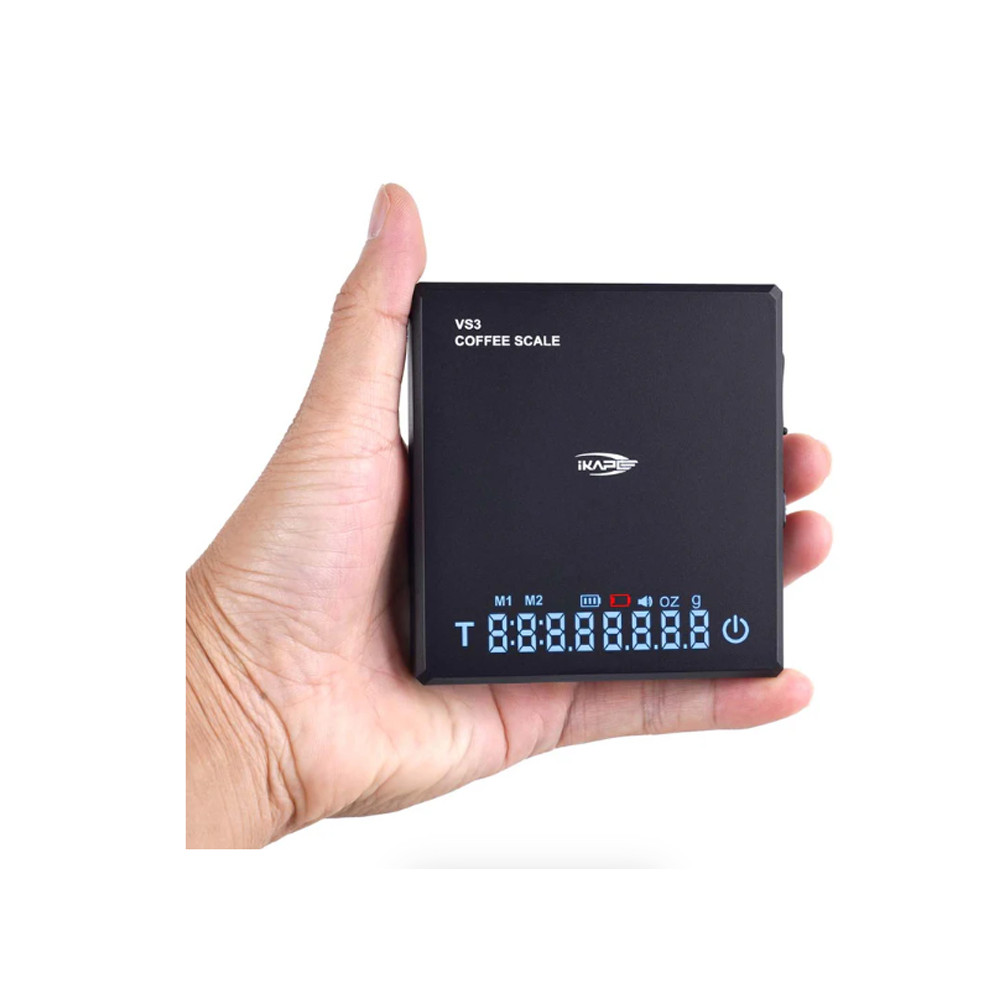
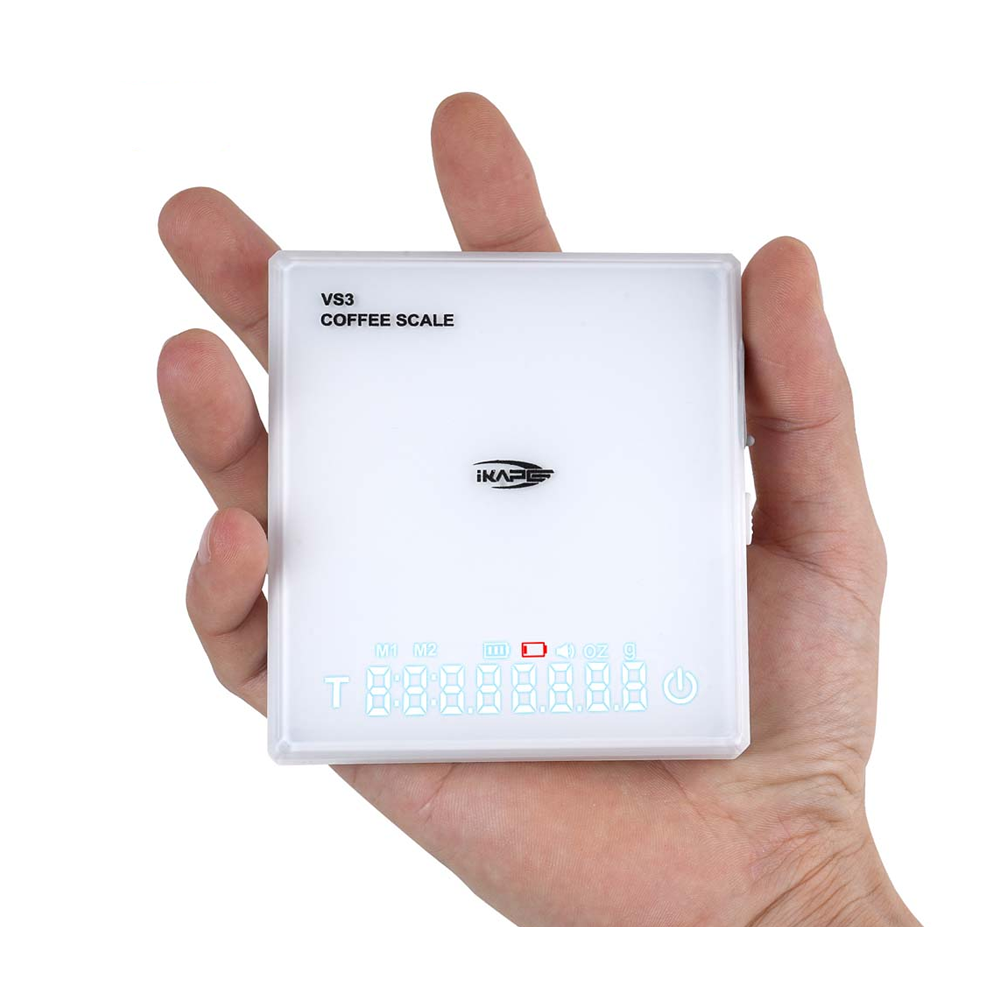
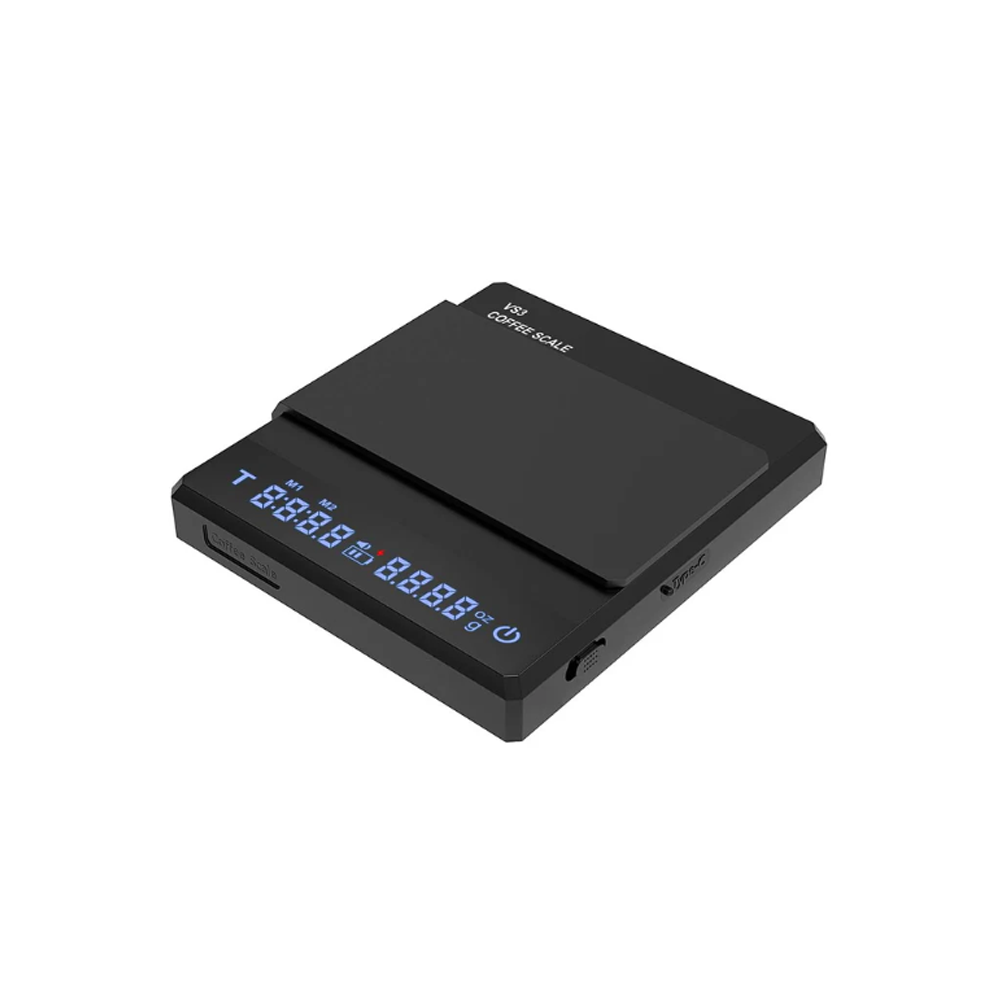
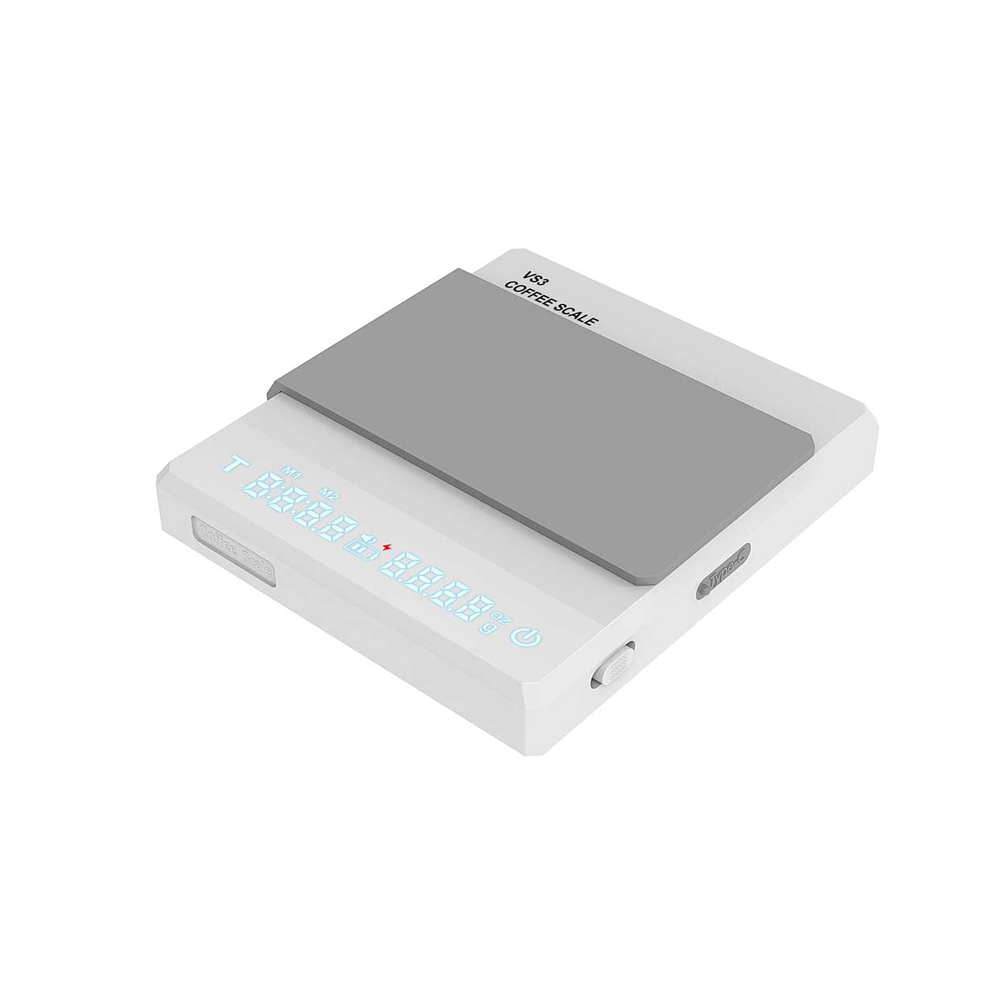
IKAPE offers coffee scales for different brewing workflows, from compact mini espresso scales to larger smart scales with automatic timing, ratio modes, and Bluetooth-connected features. Choose the right model based on your brewing method, available space, weighing range, timer functions, and preferred level of automation.

Compare IKAPE Coffee Scales

Model Best For Size Precision Weighing Range Timer Smart Mode Bluetooth
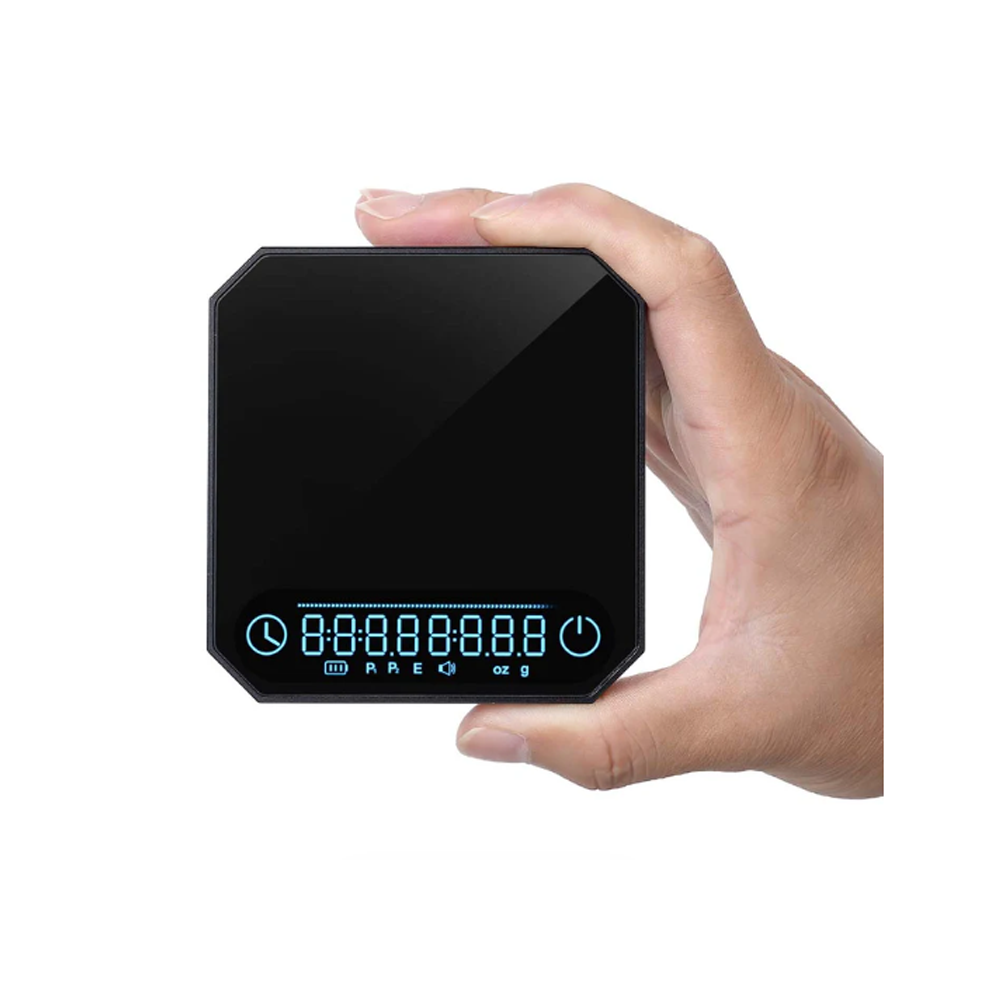
V1 Mini Espresso Compact 0.1g 0.3–2000g Yes Basic No
SC35 Mini Espresso Compact 0.1g 0.3–2000g Yes Smart No
V3 Metal Smart Palm Scale Espresso Compact 0.1g 0.3–2000g Yes Smart No
V1 Electronic Scale General Brewing Medium 0.1g 0.3–2000g Yes Basic No
V2 Electronic Scale Espresso & Pour-Over Medium 0.1g 0.3–2000g Yes Multiple Brewing Modes No
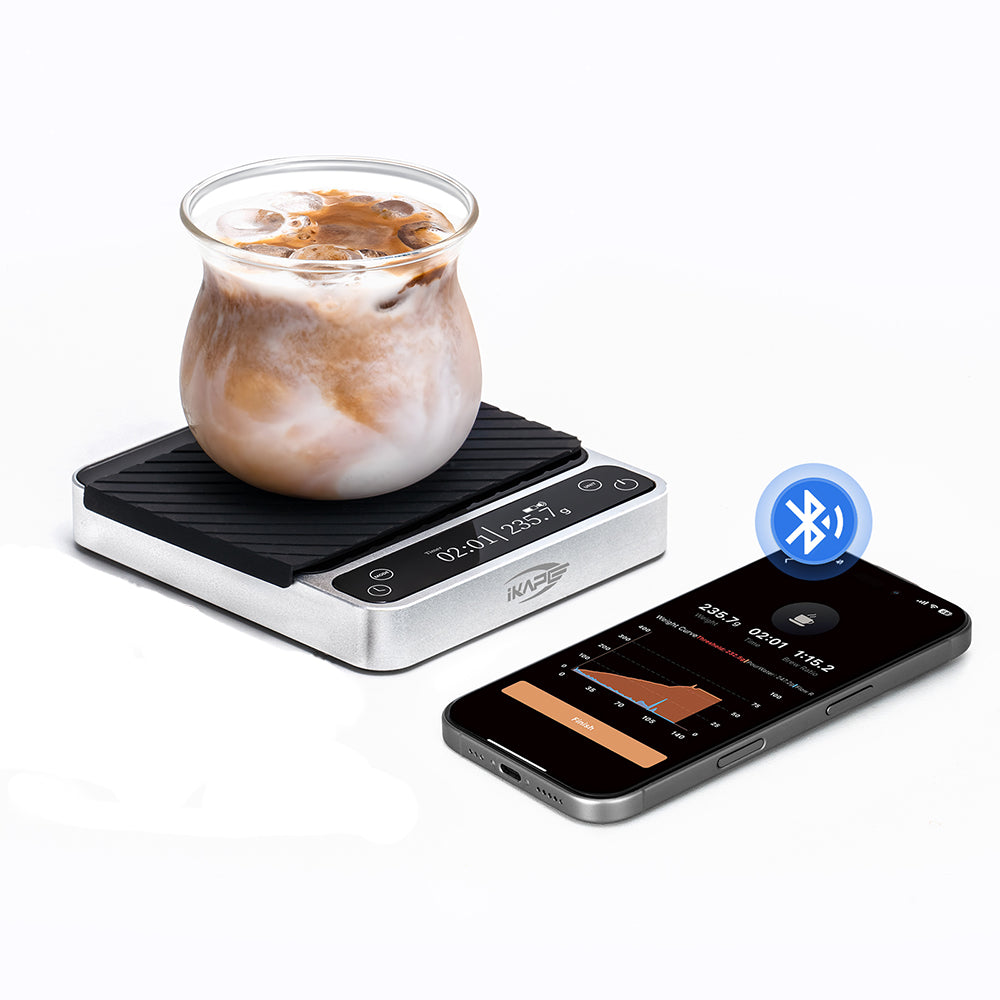
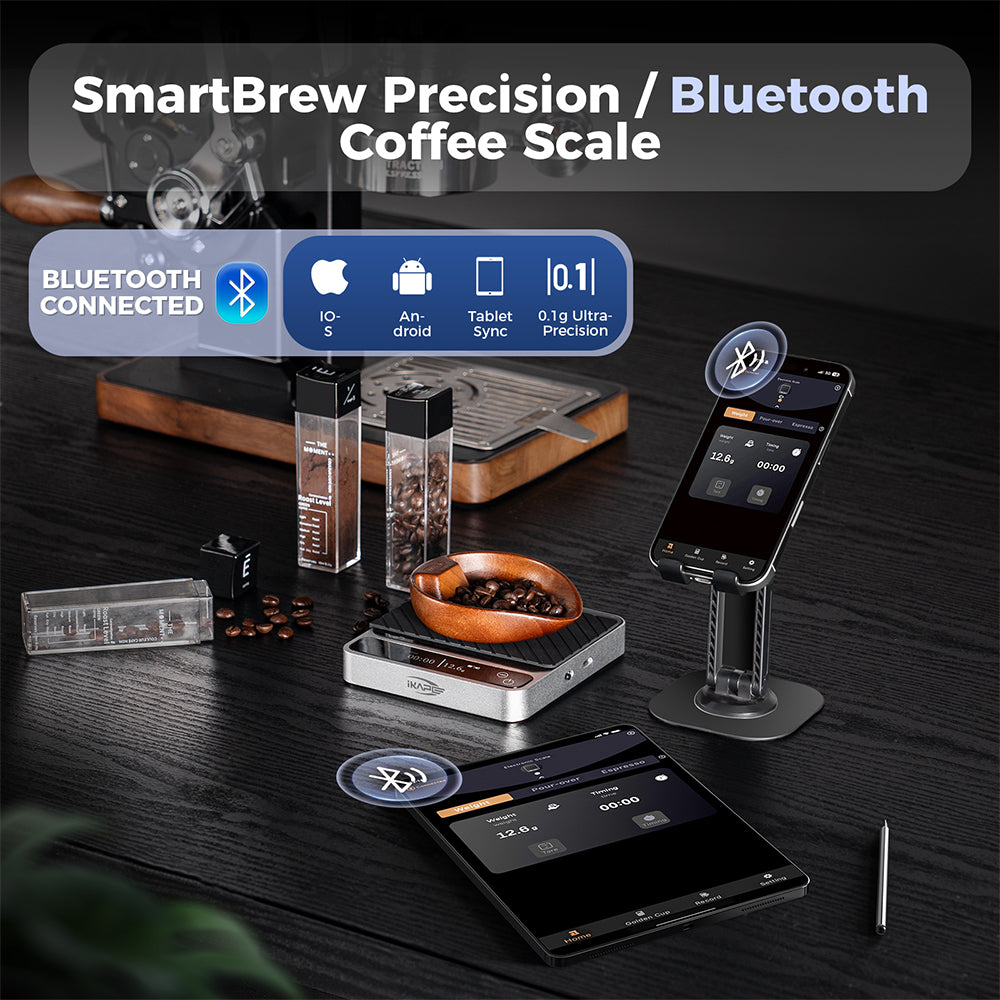
V2 Pro Bluetooth Scale Advanced / Data Tracking Medium 0.1g 0.3–2000g Yes Smart / App-Connected Yes
Sort by
Filter and sort
Filter and sort

6 products

6 products

 Espresso Scale vs Pour-Over Scale 

Espresso scales are usually smaller and thinner because they need to fit on a drip tray under the portafilter. Fast response is important because a small delay in displayed weight can affect when the shot is stopped.

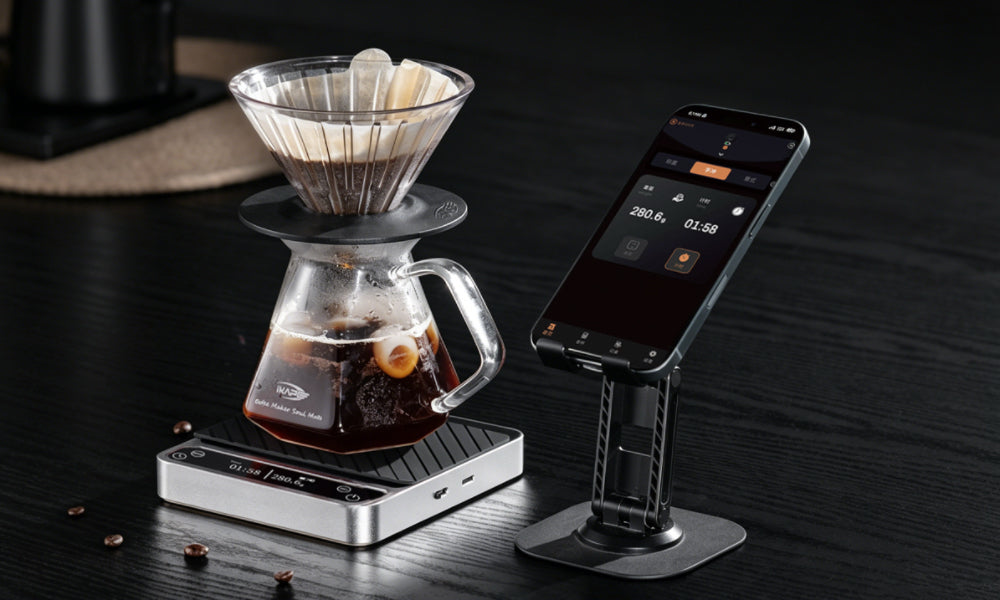
Pour-over scales typically prioritize a wider platform and easy timer visibility because the brewer may need to support a dripper and server while tracking water input over several minutes.

Some coffee scales are designed to handle both workflows.

 Frequently Asked Questions About Coffee Scales 

 What is a coffee scale used for? 

A coffee scale is used to measure coffee dose, beverage weight, water input, and brew time more consistently.

For espresso, a scale can help track:

  • Ground coffee dose
  • Espresso yield
  • Brew ratio
  • Extraction time

For pour-over, it can help measure:

  • Coffee dose
  • Water volume by weight
  • Pouring stages
  • Total brew time

Using a scale makes brewing easier to repeat because key variables can be measured instead of estimated.

 What is the difference between an espresso scale and a pour-over scale? 

The main differences are usually size, platform area, response speed, and workflow features.

An espresso scale is typically:

  • Smaller
  • Thinner
  • Designed to fit on an espresso machine drip tray
  • Optimized for fast weight updates during extraction

A pour-over scale usually has:

  • A larger weighing platform
  • More room for a dripper and server
  • Easy timer visibility
  • More space for longer manual brewing workflows

Some coffee scales are designed to work well for both espresso and pour-over.

 What size coffee scale is best for espresso? 

A compact coffee scale is usually best for espresso because it needs to fit comfortably on the machine's drip tray.

When choosing an espresso scale, consider:

  • Width and depth
  • Scale height
  • Cup clearance
  • Drip tray size
  • Display visibility

A thinner scale can be especially useful when there is limited space between the drip tray and the portafilter.

IKAPE mini and compact coffee scales are designed with this type of espresso workflow in mind.

Can one coffee scale be used for both espresso and pour-over?

Yes.

A coffee scale can work for both espresso and pour-over if it has:

  • 0.1g resolution
  • Sufficient weighing capacity
  • Built-in timer
  • A platform large enough for pour-over
  • A footprint compact enough for your espresso machine

Some IKAPE models are specifically designed with multiple brewing modes, making them suitable for both workflows.

 What does auto-tare mean on a coffee scale? 

Auto-tare automatically resets the displayed weight to zero under specific conditions.

For example, after placing a cup or brewing vessel on the scale, the scale may automatically remove the container's weight from the measurement.

This makes it easier to measure only:

  • Coffee
  • Espresso
  • Brewing water

The exact auto-tare behavior depends on the scale model and operating mode.

 What is espresso auto-timing? 

Espresso auto-timing is a feature that starts or manages the timer automatically when the scale detects a change in weight associated with extraction.

Depending on the model, the scale may begin timing when espresso starts entering the cup.

This allows the user to monitor:

  • Extraction time
  • Beverage weight

without manually pressing the timer button at the exact moment extraction begins.

The exact trigger logic may differ by model.

 Do all IKAPE coffee scales have 0.1g precision? 

Yes. The coffee scales in this IKAPE collection use:

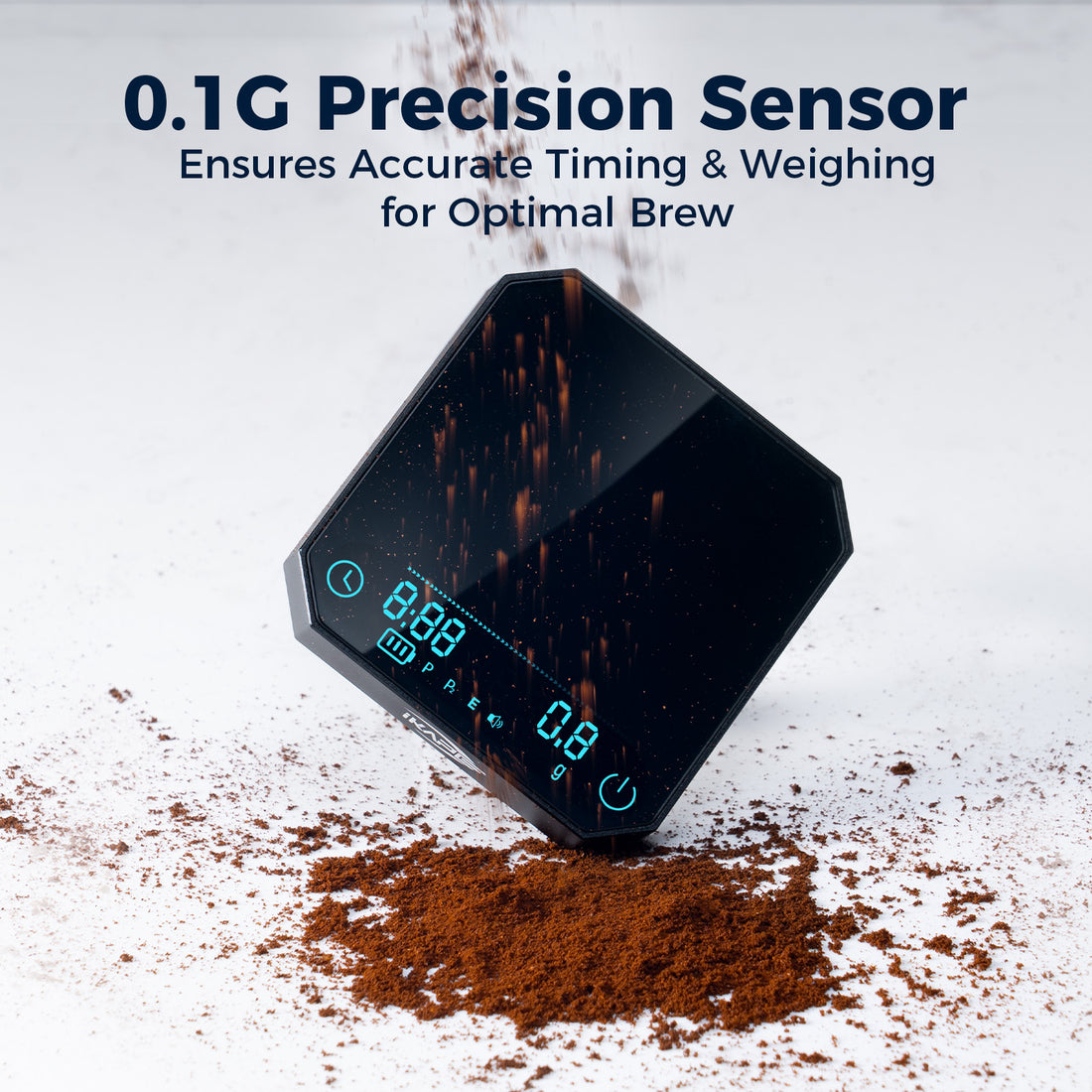
0.1g measurement resolution

and have a weighing range of:

0.3–2000g

The main differences between models are therefore not basic weighing resolution, but factors such as:

  • Scale size
  • Brewing modes
  • Automation
  • Display design
  • Smart functions
  • Bluetooth connectivity
How does the Espresso Auto-Mode function on the IKAPE smart scale?

Once switched to the dedicated Auto-Mode, placing an espresso cup on the platform will cause the scale to automatically tare (zero out) the weight. The split second the first droplet of espresso hits the cup, the built-in sensitive liquid timer triggers instantly. This allows for a completely hands-free, automated tracking of your extraction ratio and time.

What is the precision tolerance and maximum weight limit of the IKAPE scale?

Our smart precision scales offer an ultra-accurate sensitivity down to 0.1 grams with an instantaneous screen refresh rate, making them perfect for strict, professional espresso indexing. The total weight capacity tops out at a generous 2000g (2kg), enabling it to easily weigh heavy commercial portafilters or larger pour-over drip carafes.

Why is my coffee scale displaying erratic or unstable weight readings?

Unstable weight drifting is usually caused by specific environmental interferences:

1. Placing the scale on an uneven surface, touching adjacent items, or positioning it too close to a violently vibrating espresso pump. Weight readings can also fluctuate during the charging process.

2. Critically low battery power.

3. Exposure to strong ambient wind/air currents, hot steam, or placing a boiling-hot vessel directly onto the bare scale surface. Always operate the scale on a flat, sturdy surface away from direct steam, ensure it is properly charged, and always use the included protective silicone heat pad.


How do I re-calibrate the IKAPE coffee scale?

To enter calibration mode, quickly click the left button three short times and one long press. Once the screen enters calibration mode, follow the digital screen prompts and sequentially place the required standard weights—500g, 1000g, and 2000g calibration weights—onto the center of the scale platform to finish the calibration process.