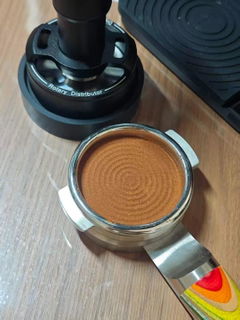
IKAPE Openwork Bottomless Portafilter with High Extraction Precision Basket
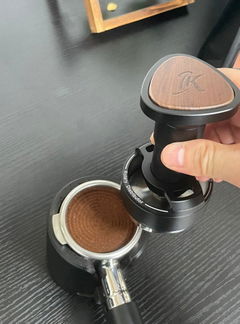
IKAPE All-in-One Coffee Distributor and Tamper Combo - UniPress
Great basket, works great and lets grind coarser


7 products
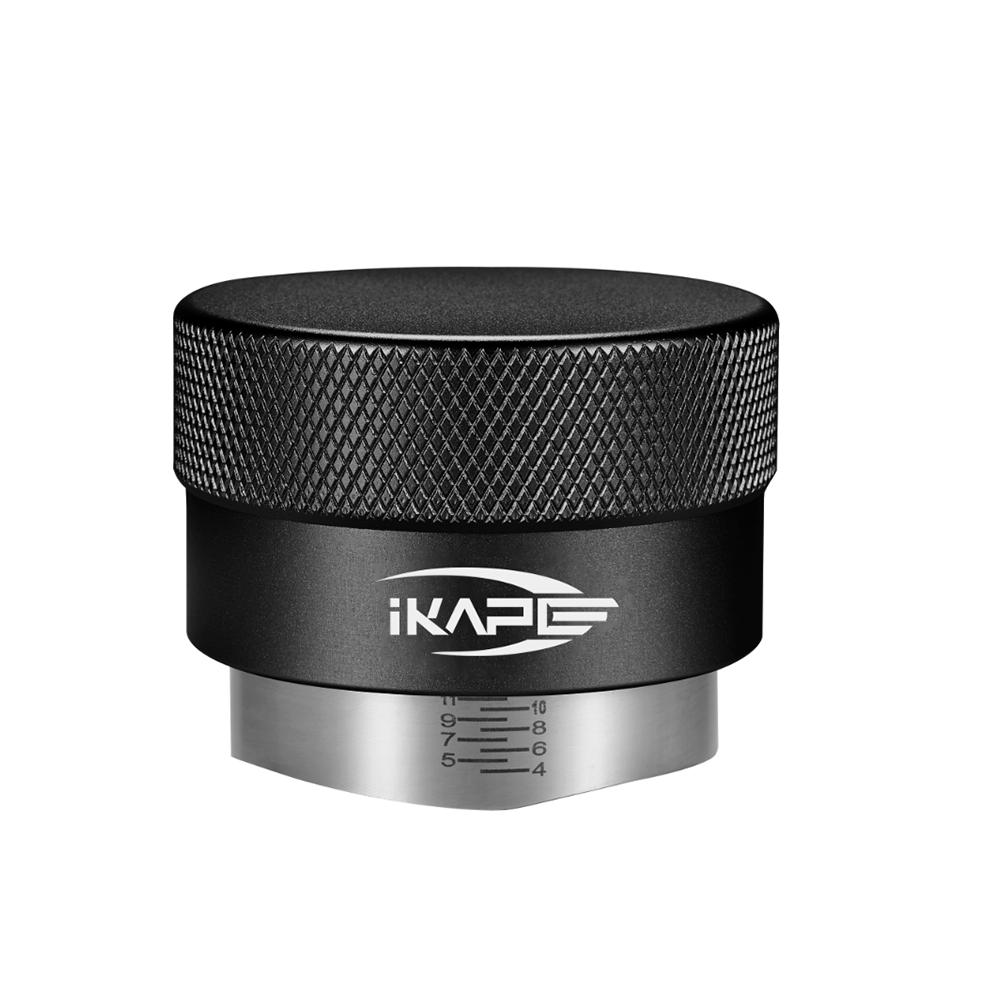
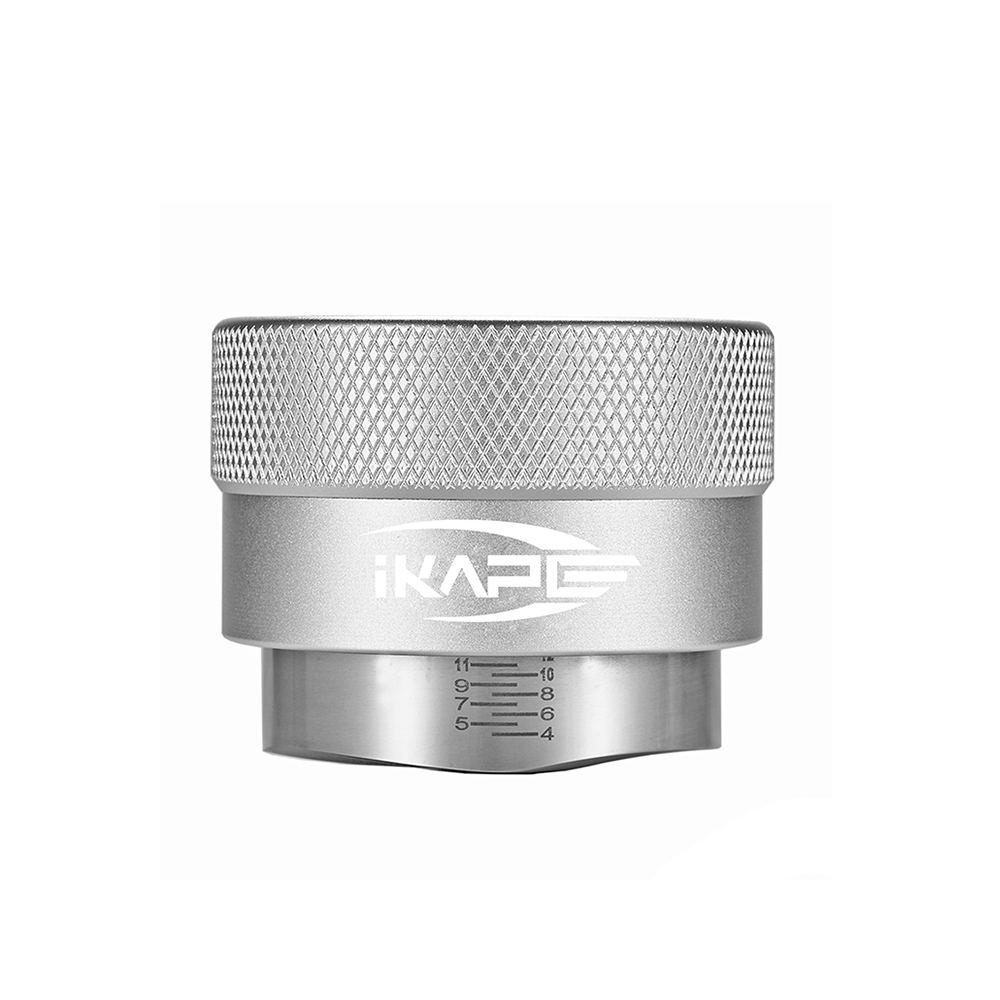
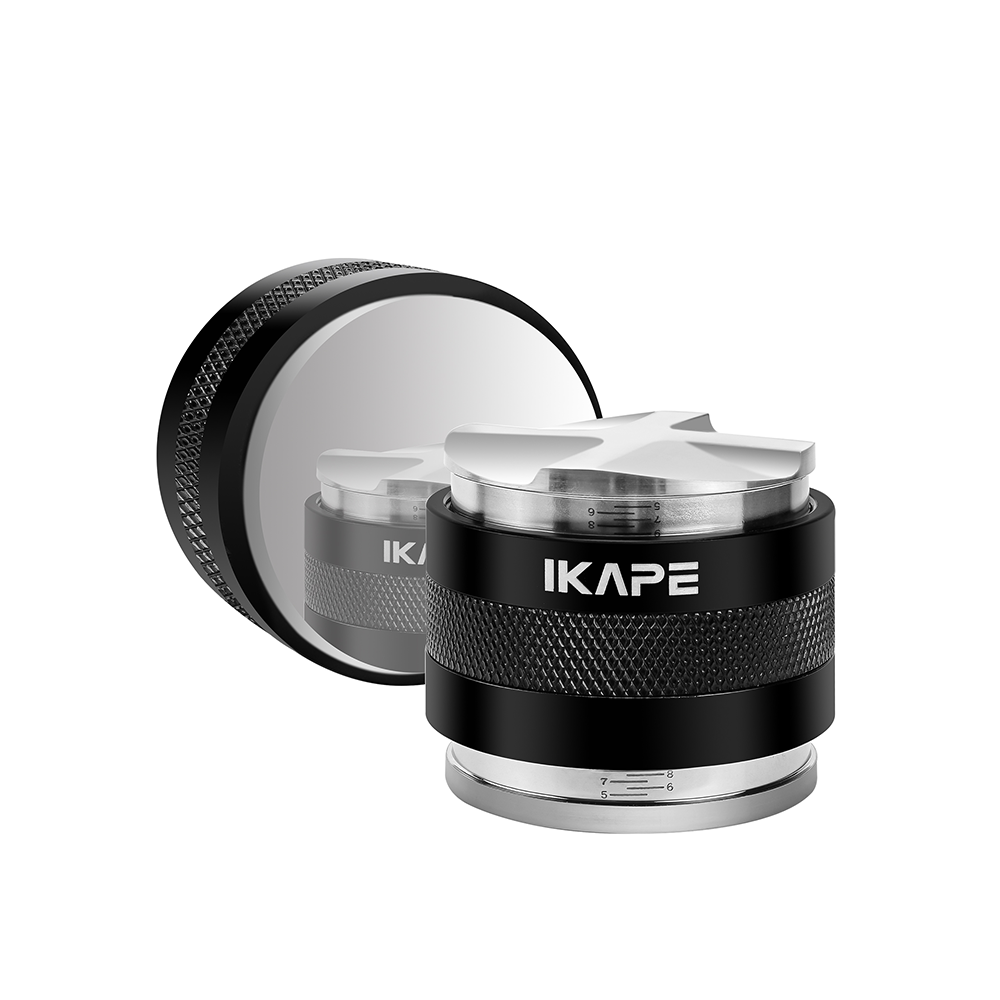
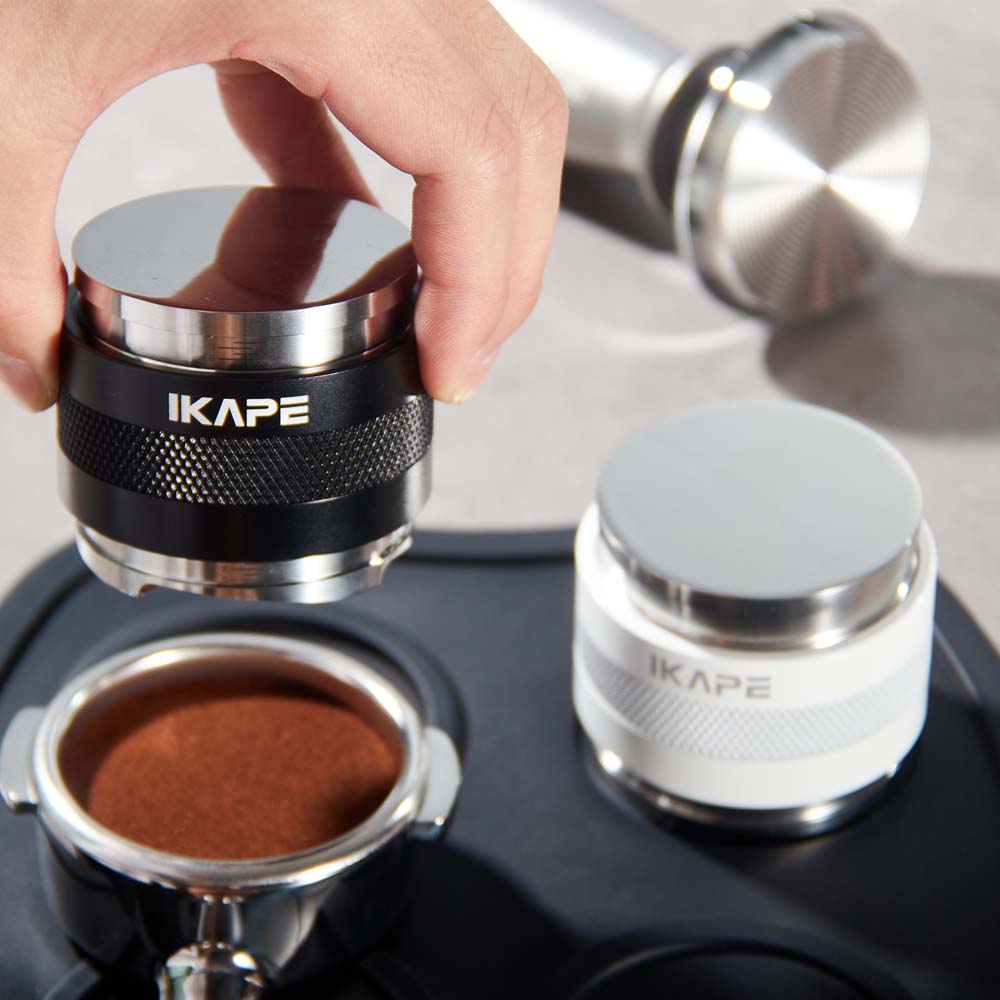
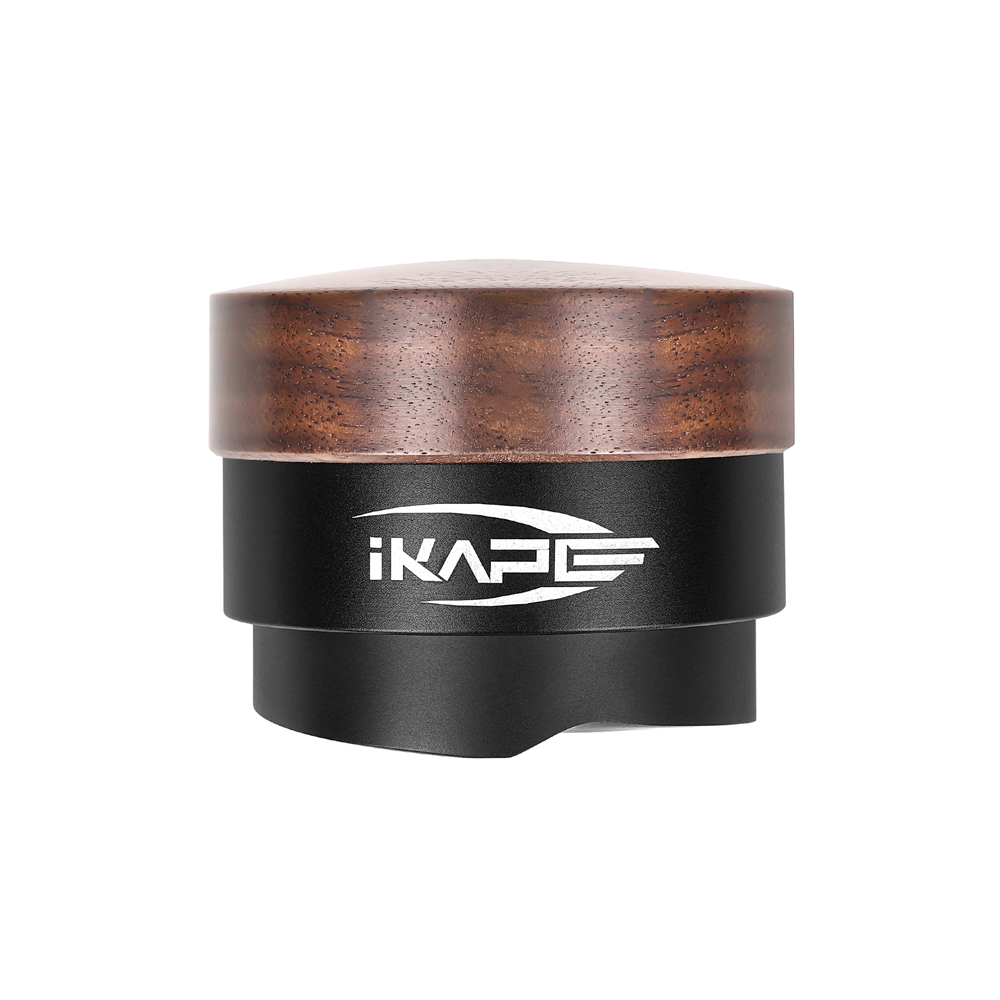

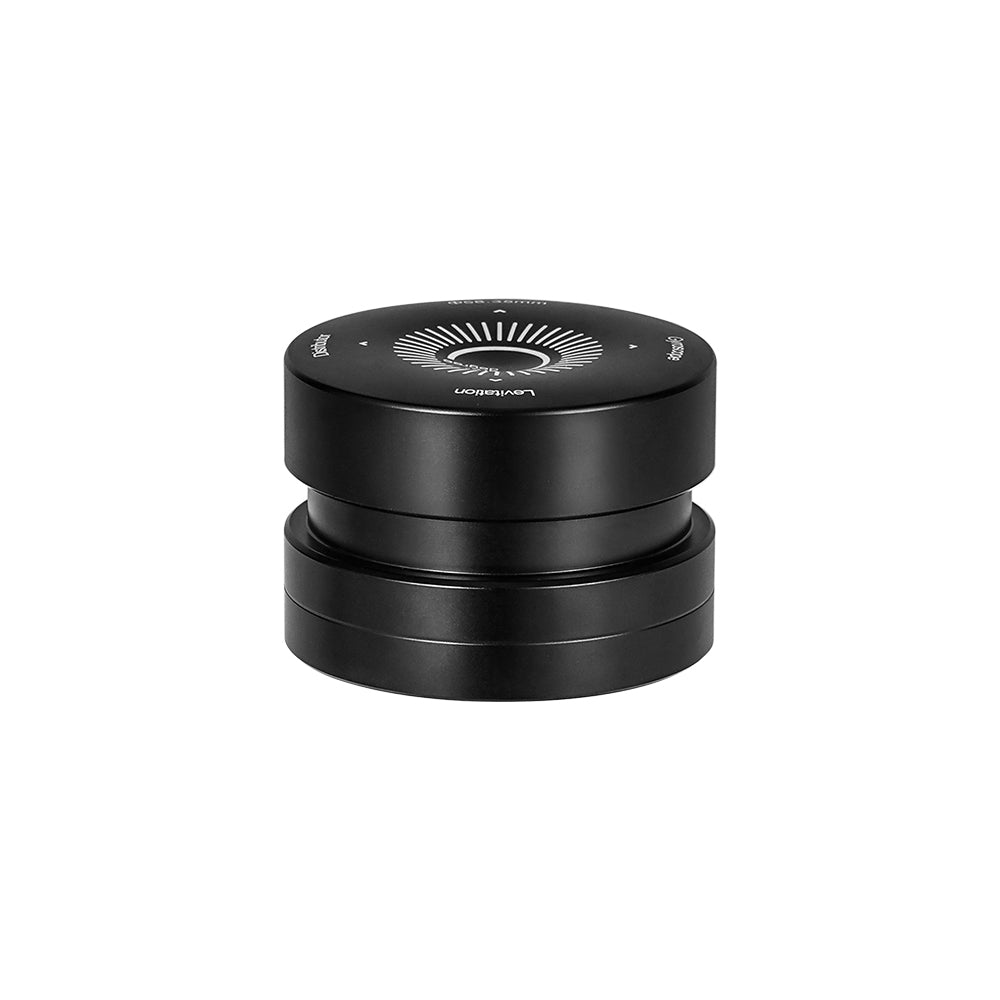
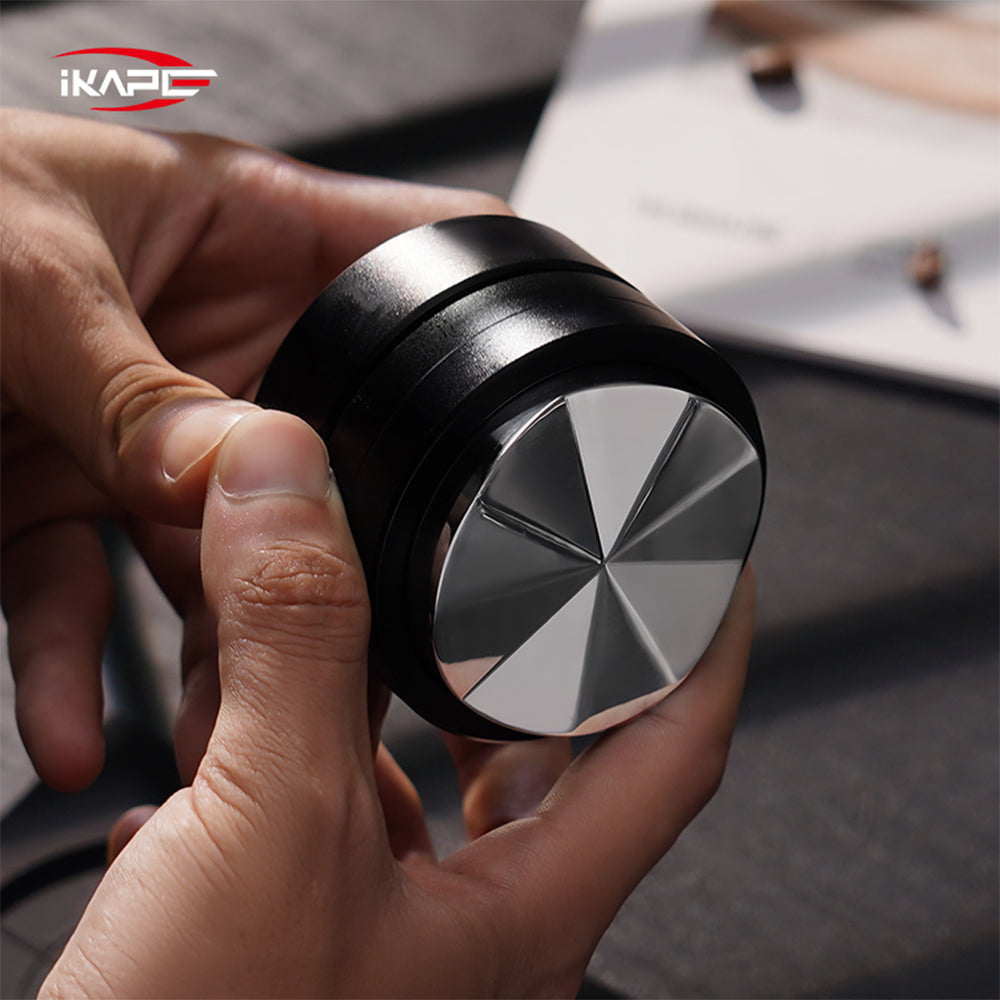


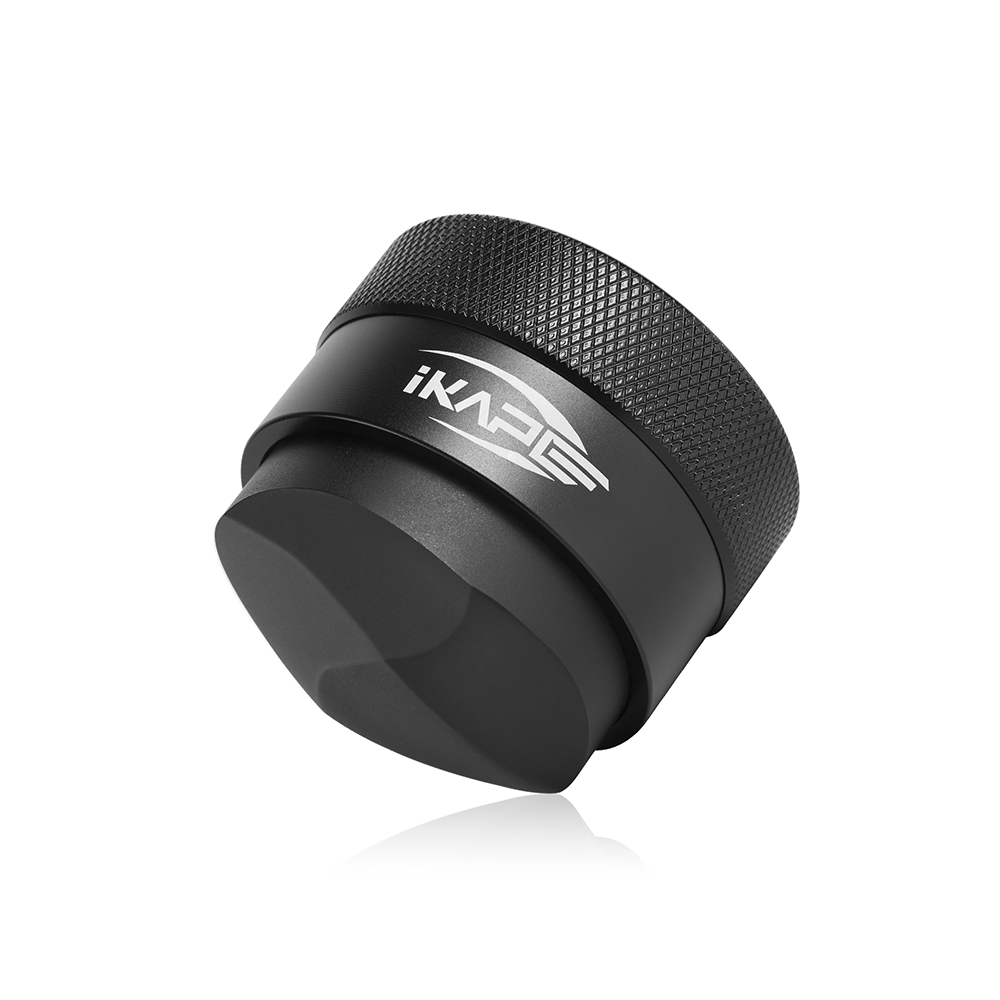

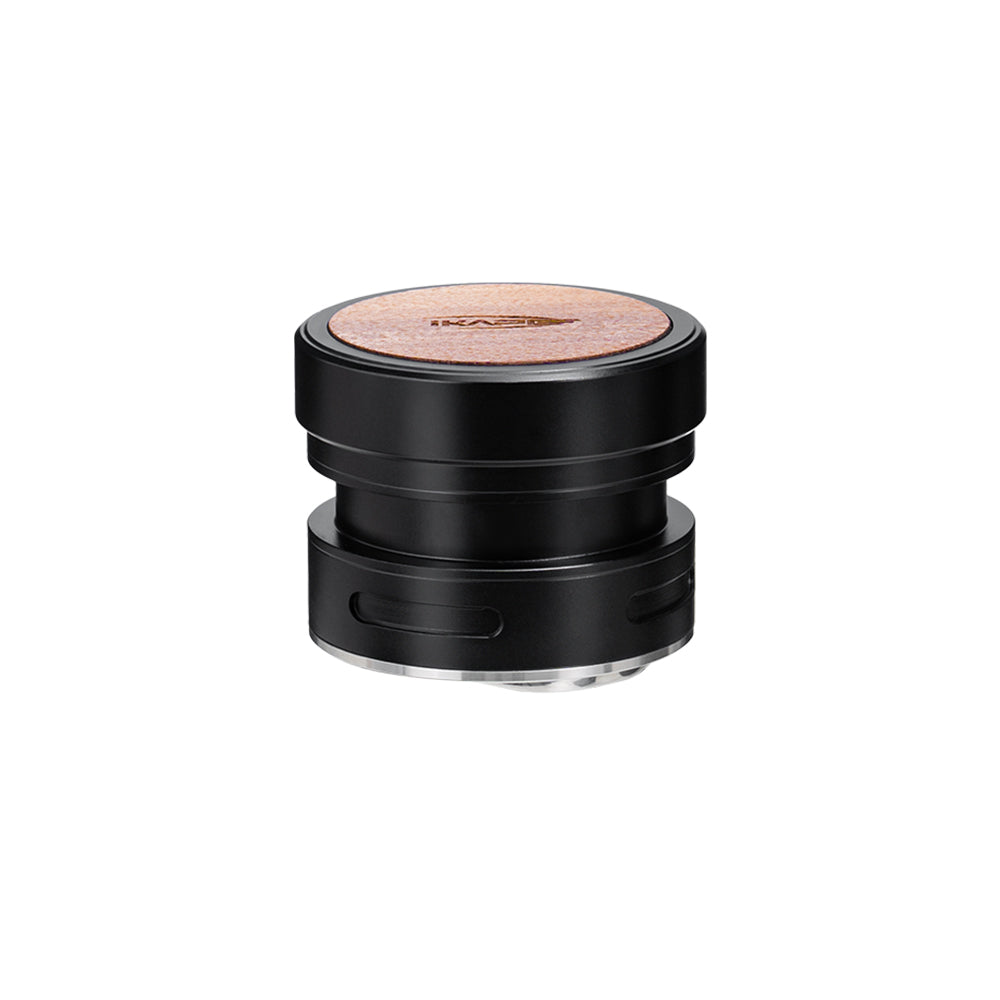
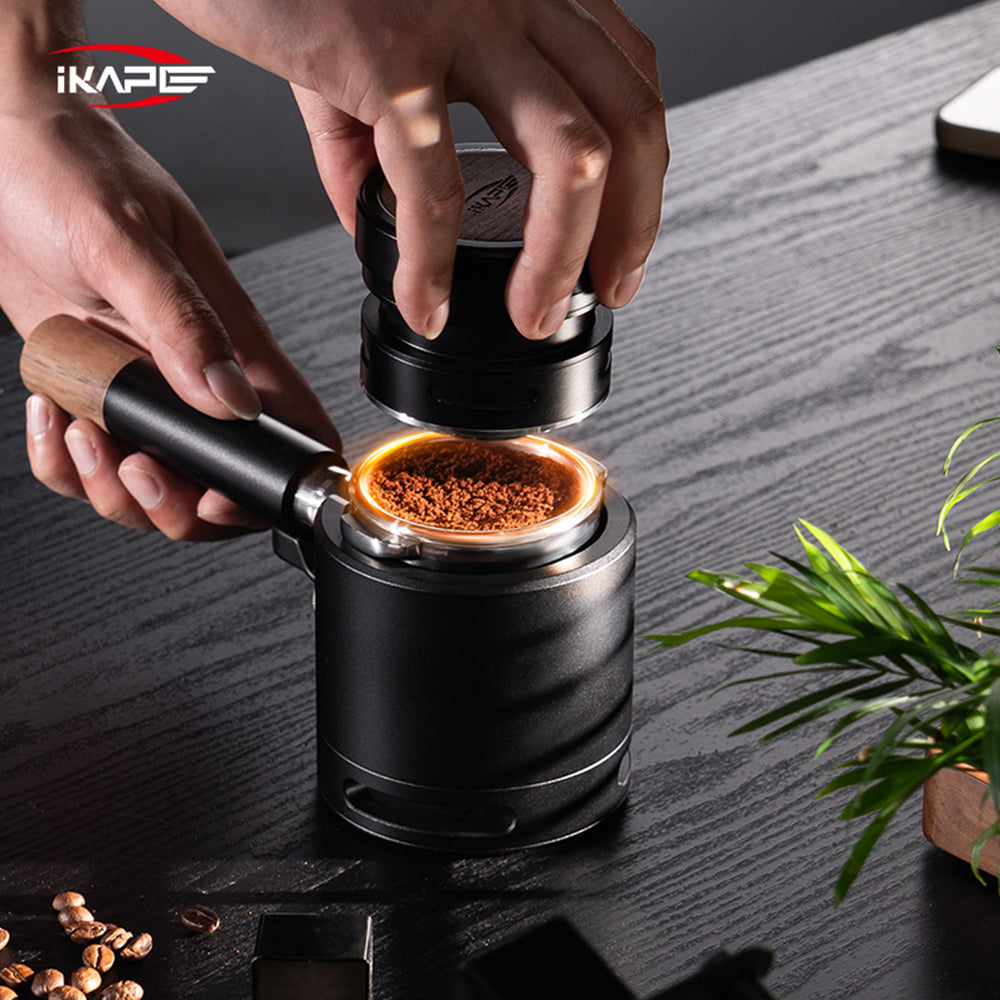
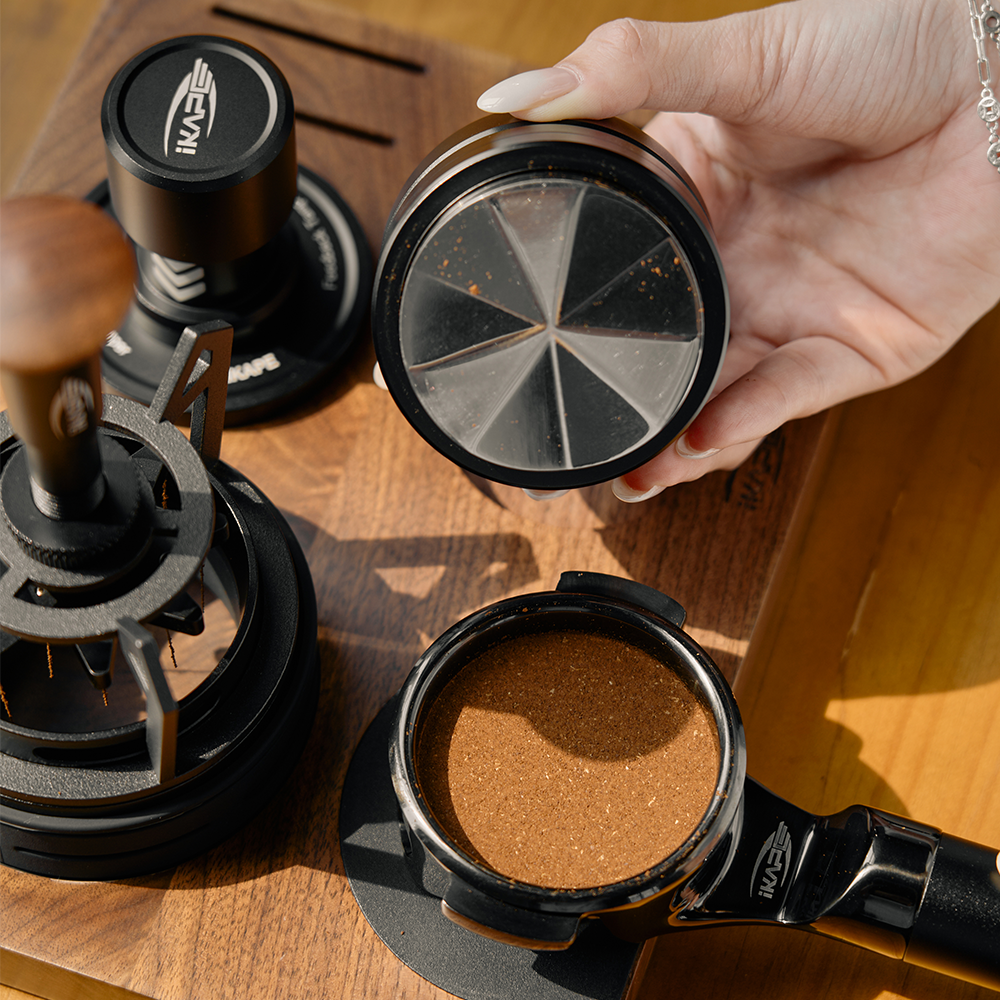
A coffee distributor, also known as an espresso distributor, coffee leveler, or espresso distribution tool, is a tool designed to evenly spread coffee grounds inside a portafilter before tamping.
After grinding, espresso coffee grounds often do not settle evenly in the basket. Grounds may form uneven piles, contain small clumps, or have areas with different densities. If the coffee bed is not evenly prepared, water may find easier paths through the puck during extraction, which can contribute to inconsistent espresso results.
A coffee distributor helps organize the coffee grounds by creating a more even surface and improving the consistency of puck preparation before tamping.
For espresso preparation, distribution and tamping serve different purposes:
Coffee distribution focuses on spreading and organizing the coffee grounds evenly.
Tamping focuses on compressing the coffee bed into a stable puck.
A coffee distributor is therefore not designed to replace a tamper. Instead, it works as part of a complete espresso puck preparation workflow.
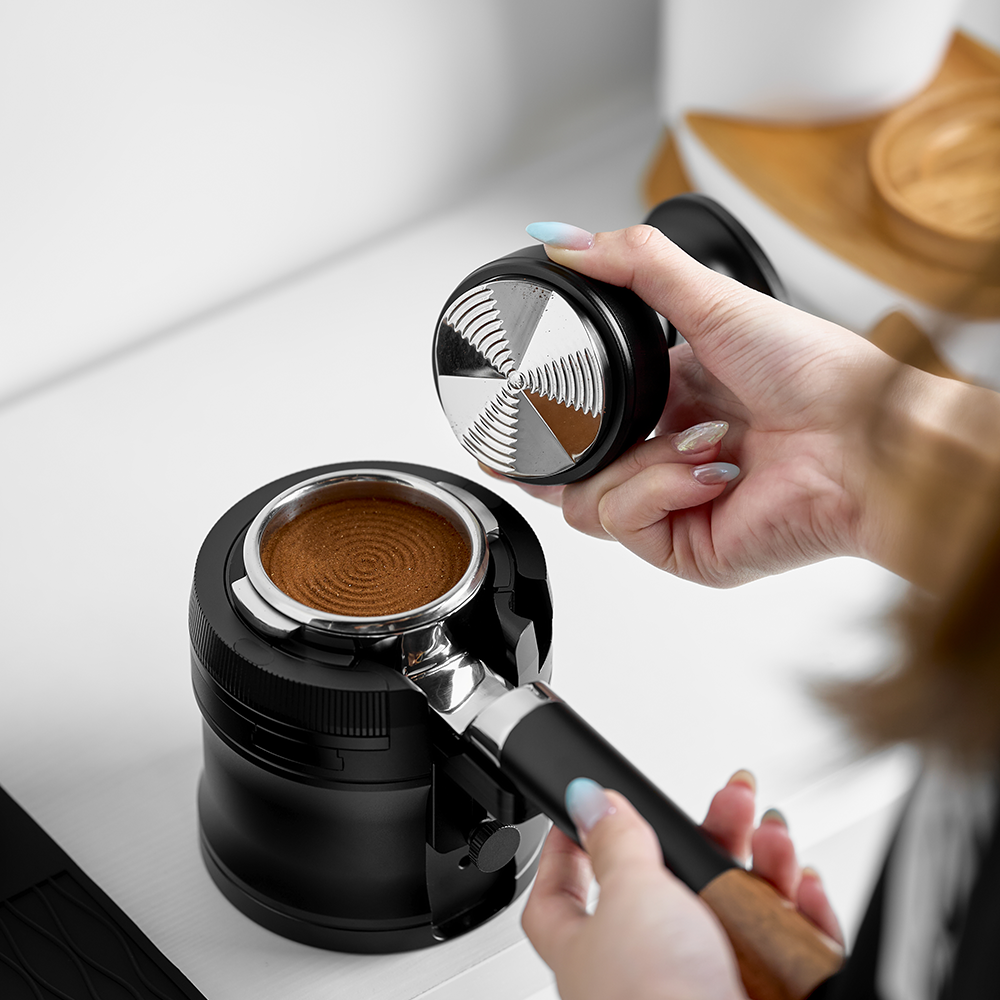
IKAPE approaches coffee distribution as part of a complete espresso preparation workflow.
Traditional espresso preparation often requires multiple separate steps:
Grind → Distribute → Tamp
IKAPE continues to explore ways to make this process more efficient through ergonomic design and integrated solutions.
From precision coffee distributors to the IKAPE Unipress distributor tamper combo, IKAPE focuses on helping baristas achieve a more repeatable workflow with fewer unnecessary steps.
Whether you prefer traditional distribution tools or an all-in-one solution, IKAPE provides espresso preparation tools designed around consistency, comfort, and practical daily use.
What does an espresso distributor do?
An espresso distributor helps create a more evenly distributed coffee bed before tamping.
During grinding, coffee grounds can form uneven areas inside the basket. Some areas may contain more coffee, while others may have lower density. A distributor uses a specially designed base to spread coffee grounds more evenly across the basket.
The main benefits of using an espresso distributor include:
However, espresso extraction also depends on other factors such as grind size, dose, coffee freshness, and extraction parameters.
Is a coffee distributor necessary for espresso?
A coffee distributor is not absolutely necessary for making espresso, but it can be a useful tool for improving puck preparation consistency.
Experienced baristas may achieve good results with careful manual distribution techniques. However, many home baristas use a distributor because it provides a faster and more repeatable preparation process.
A coffee distributor can be especially helpful for:
A distributor should be considered a workflow improvement tool rather than a requirement for every espresso setup.
A coffee distributor can help improve espresso consistency by creating a more evenly prepared coffee bed before tamping.
When coffee grounds are unevenly distributed, water may flow through areas of lower resistance during extraction. This can contribute to uneven extraction.
By helping organize the coffee grounds before tamping, a distributor may support:
However, a distributor alone cannot solve every espresso problem. Grinder quality, grind size, dose, tamping technique, and machine settings remain important factors.
A coffee distributor and a WDT tool both improve coffee preparation, but they solve different problems.
A WDT (Weiss Distribution Technique) tool uses thin needles to break up coffee clumps and improve internal distribution throughout the coffee bed.
A coffee distributor mainly focuses on leveling and organizing the surface of the coffee grounds.
The difference:
WDT Tool:Breaks clumps and improves internal distribution
Coffee Distributor:
Levels and spreads coffee grounds
Tamper :
Compresses the coffee puck
Some espresso users combine WDT, distribution, and tamping depending on their workflow and equipment.
The correct distributor depth depends on the basket, coffee dose, and tool design.
In general, an espresso distributor should be adjusted to gently move and level the coffee grounds rather than aggressively compress them.
If the distributor is set too deep, it may:
Push coffee unevenly
Create inconsistent density
Remove too much coffee from certain areas
The goal is to create an even coffee surface before tamping.
Yes. The WDT tool primarily breaks up deep clumps throughout the coffee bed. An espresso distributor (palm distributor) focuses on grooming and flattening the top surface layer of the coffee grounds. Using both together creates the most uniform puck structure, significantly increasing extraction consistency and stability.
No, they cannot be interchanged. A distributor only flattens the surface of the grounds and does not provide enough downward vertical pressure. You must still use a coffee tamper afterward to compress the puck tightly, ensuring the necessary resistance to prevent fast flow or uneven flow penetration.
Fixed-Depth models allow you to manually lock in a specific distribution depth, which is perfect for baristas who use a consistent coffee dose and seek high repeatability.
Gravity Self-Adjusting models automatically drop and conform to the height of the coffee bed based on weight, eliminating the need for manual adjustments—ideal for users with fluctuating doses or high-volume workflows.
This is usually due to using an mismatched size for your basket, or coffee fine buildup inside the rotating threads. Ensure you have the correct size. For maintenance, rinse the base with warm water after use, and dry the main body with a cloth. Avoid harsh chemical cleaners or abrasive pads that could scratch the surface. This prevents coffee grime buildup and keeps the internal mechanisms spinning smoothly.